A non-alcoholic Hugo spritz is elderflower cordial, fresh mint and lime, topped with non-alcoholic prosecco and a splash of soda over plenty of ice. It's one of the easiest classics to make without alcohol, because the real drink is already light, floral and low in bitterness.
The catch is sugar. A Hugo gets its elderflower from a liqueur like St-Germain or from syrup, and the dry prosecco keeps that sweetness in check. Elderflower cordial is sweet, and many alcohol-removed sparkling wines are sweeter than prosecco. Put the two together without thinking and the result tastes like a soft drink. The fix is less cordial, a drier sparkling wine and something slightly bitter to give the drink an edge.
The zero proof Hugo Spritz
The bottles we’d buy, and the one we make at home.
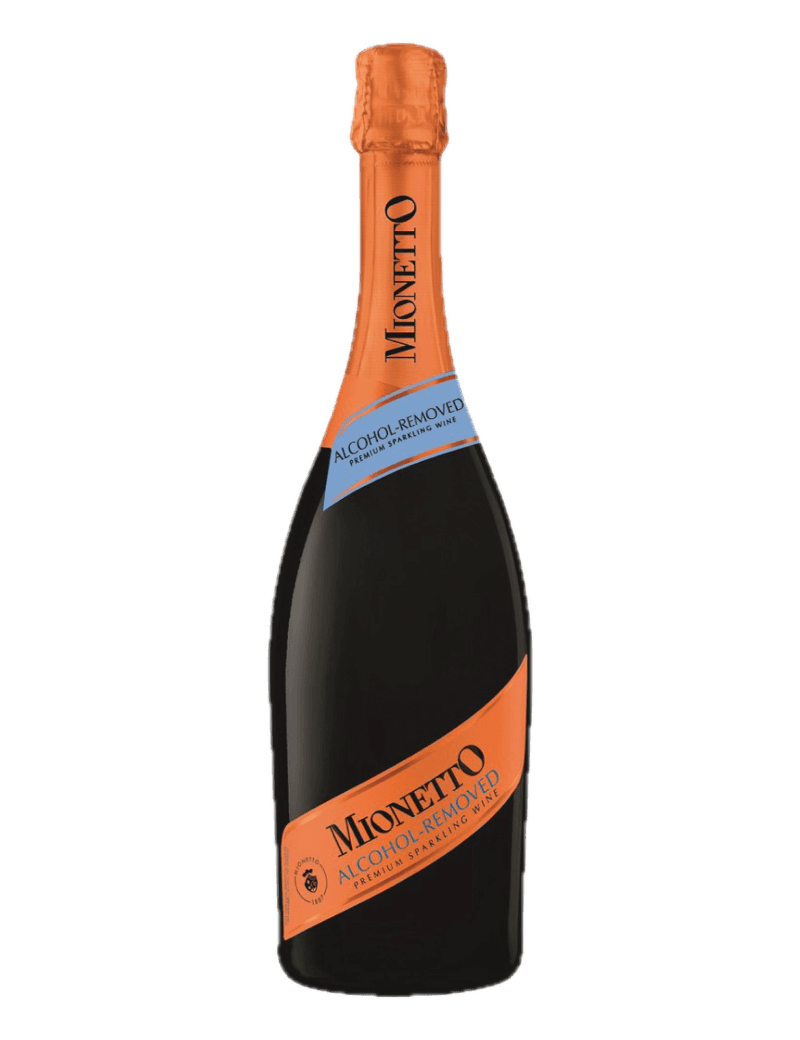
Mionetto Alcohol-Removed Sparkling
$16 · 750 ml

Wölffer Estate Spring in a Bottle Blanc de Blancs
$25 · 750 ml
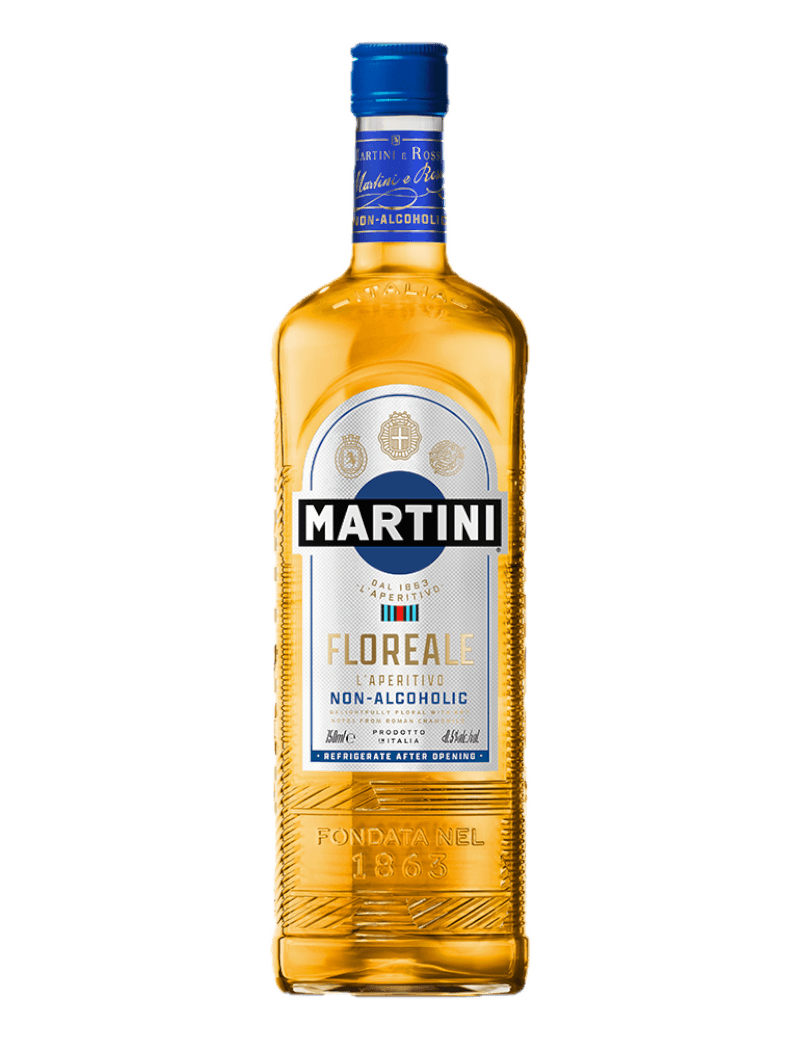
Martini Floreale
$20 · 750 ml
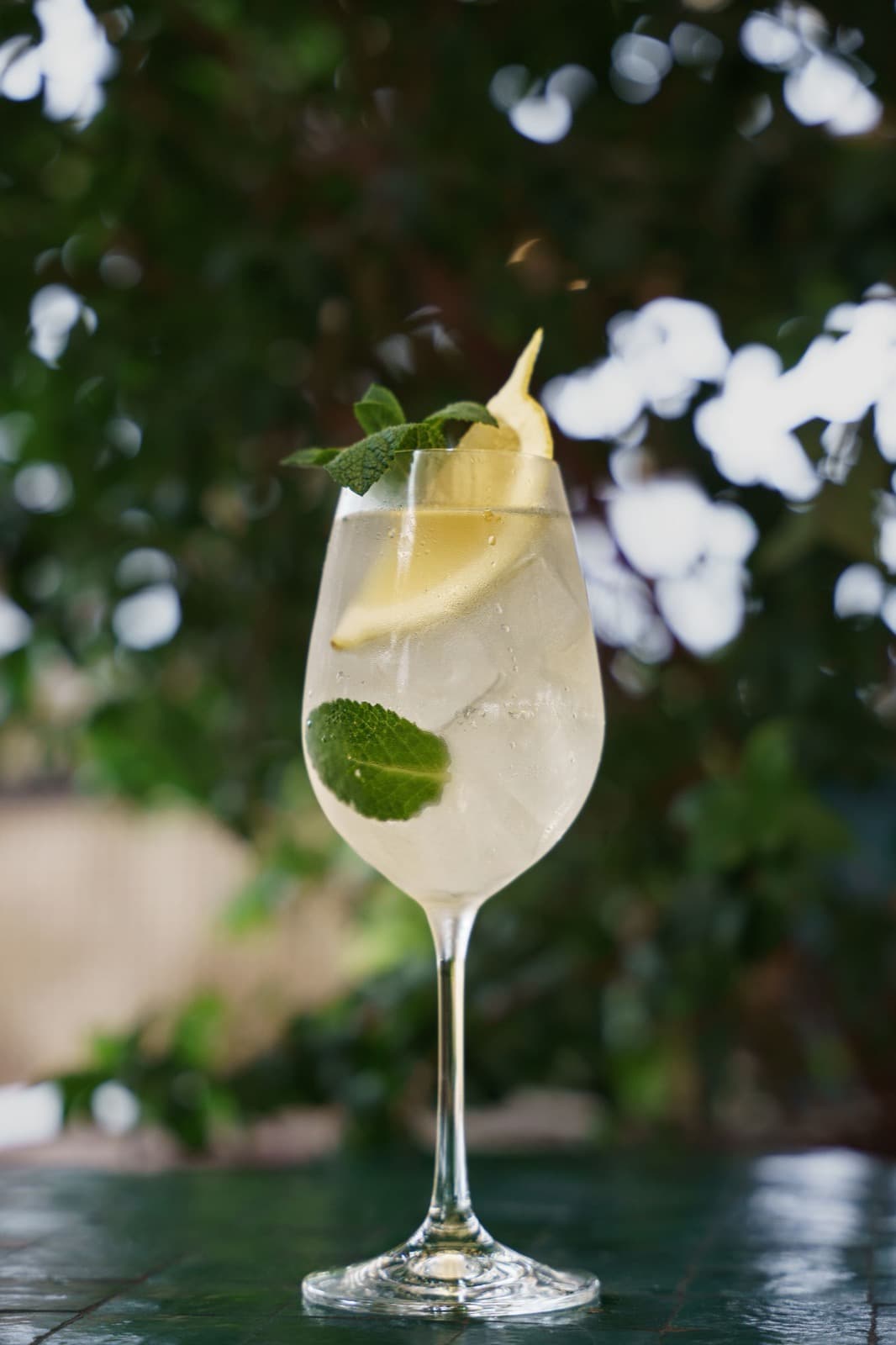
House recipe · 3 min · Wine glass
Zero-Proof Hugo Spritz
- 0.75 ozBelvoir Elderflower Syrup Mixer
- 8Mint leaves
- 2Lime wedges
- 4 ozMionetto Alcohol-Removed Sparkling
- 1.5 ozFever-Tree Premium Club Soda
- Clap the mint between your palms and drop it into a wine glass with the lime wedges and cordial. Press the lime gently.
- Fill the glass with ice.
- Add the sparkling wine and soda, stir once from the bottom and garnish with a mint sprig.
Garnish: Mint sprig, lime wheel
Go deeper
What's in a Hugo spritz
The Hugo was created in 2005 by a bartender in South Tyrol, the German-speaking corner of northern Italy. The first version used lemon balm syrup, but elderflower soon took over and became the standard. It spread quickly through the Alps, Germany and Austria, and it's now a summer fixture in most places that serve an Aperol spritz.
A classic Hugo is:
- Prosecco, for most of the volume and all of the fizz.
- Elderflower liqueur or syrup, for the floral sweetness.
- Fresh mint, lightly bruised, for aroma.
- Lime, as a wedge or a squeeze, for acidity.
- Soda water, to lighten it.
It's served in a big wine glass full of ice, garnished with mint and lime.
To make it without alcohol, each swap needs to do a specific job:
- The elderflower has to taste of flowers, not just sugar. Use less than a recipe with liqueur would, because cordial is more concentrated.
- The sparkling wine has to be dry enough to balance the cordial. This is the most important choice in the drink.
- The lime matters more than usual. Without alcohol, the drink needs acidity to taste crisp.
- Something slightly bitter helps. The real Hugo has a faint bite from alcohol. A small splash of a floral, lightly bitter aperitivo brings that back.
The three ways to get the elderflower in
This is the choice that shapes the drink. There are three routes, and each gives a different result.
Elderflower cordial or syrup
This is the most common route and the easiest. Elderflower cordial is widely available and it's what most home recipes use. It's sweet and concentrated, so a little goes a long way. Start with three quarters of an ounce for a full wine glass, and taste before adding more.
The downside is that cordial is mostly sugar and flavor, with no body or bite. A Hugo made with cordial alone can taste flat. A squeeze of lime and a dry sparkling wine are the fix.
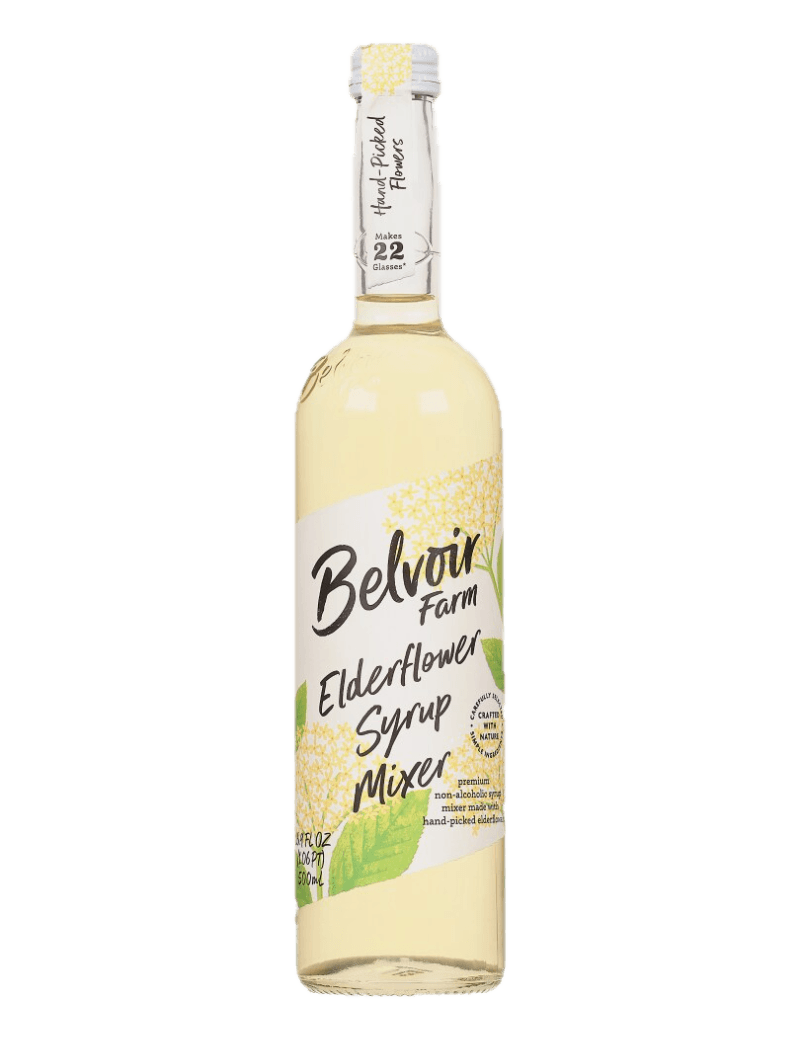
Belvoir Elderflower Syrup Mixer is the one we use. It's the classic English elderflower cordial, made with flowers picked on the farm plus lemon juice, and sold in the US as a "syrup mixer." It's honeyed and floral with a lemon edge, and half an ounce with zero-proof sparkling wine, soda and mint is a Hugo.
A non-alcoholic elderflower liqueur
St-Germain is the liqueur used in most bar Hugos. A non-alcoholic elderflower liqueur would be the most direct St-Germain substitute. We don't have one in our catalogue yet, so we can't recommend a specific bottle. If you find one, use it one-for-one in place of the cordial and taste as you go, because sweetness varies.
The closest thing we can recommend is to build the liqueur's complexity yourself. Use cordial for the elderflower and add a splash of Martini Floreale, a floral aperitivo with chamomile, wormwood and white flowers. The wormwood gives the drink a gentle bitterness that cordial alone doesn't have, and the florals sit comfortably next to the elderflower.
A ready-made bottle or can
We don't list a bottled Hugo spritz yet, so a ready-made Hugo still means building one. It takes about three minutes.
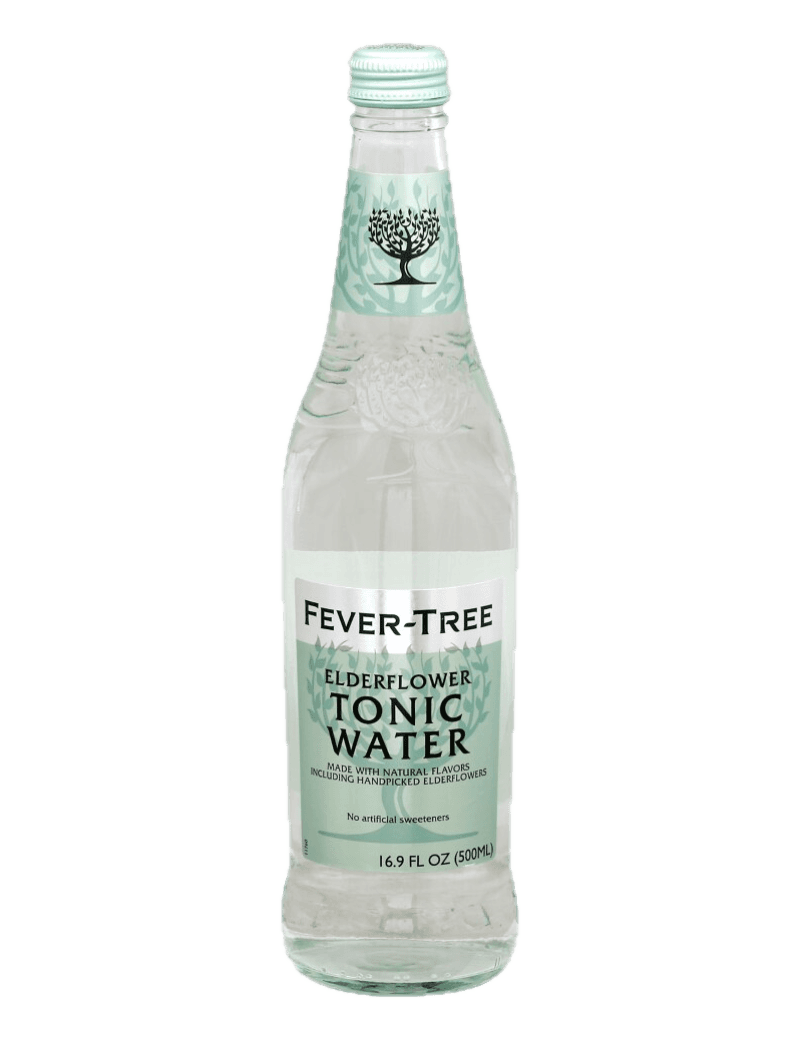
The fastest shortcut is Fever-Tree Elderflower Tonic: English elderflowers over quinine, floral and a little sweet up front with a clean bitter finish. Half sparkling wine, half elderflower tonic, with mint and lime, is a quick Hugo-style spritz with no cordial at all, and the quinine gives it the slight bite the drink needs.
If you want a floral spritz with no mixing at all, Wölffer Spring in a Bottle is a floral, lightly sweet sparkling wine with white peach and cantaloupe. It isn't a Hugo, but a glass over ice with a sprig of mint and a lime wedge is a close cousin.
The swaps
The prosecco
The sparkling wine makes up most of the drink, so it matters more than anything else.
- Mionetto Alcohol-Removed Sparkling is made from Glera, the prosecco grape, with the alcohol taken out. It has peach, apple and pear, and it's a little sweet. It's the closest cheap stand-in for prosecco and the one most people will reach for. Use a little less cordial with it.
- Wölffer Spring in a Bottle is a floral sparkling Airén with white peach, golden grape and cantaloupe, a creamy mousse and a touch of sweetness. Its floral side suits a Hugo well.
- Bolle Blanc de Blancs is dry, with very little sugar and a toasty edge. It's the best choice if you find Hugos too sweet.
- Giesen 0% Sparkling Brut is crisp and dry, with pear, grapefruit and lemon. The grapefruit works nicely with lime and mint.
- Gruvi Dry Secco is prosecco-style fizz in single-serve bottles. It's semi-dry and floral, and one bottle is enough for two Hugos.
Mionetto Alcohol-Removed Sparkling
$16 · 750 ml
Wölffer Estate Spring in a Bottle Blanc de Blancs
$25 · 750 ml
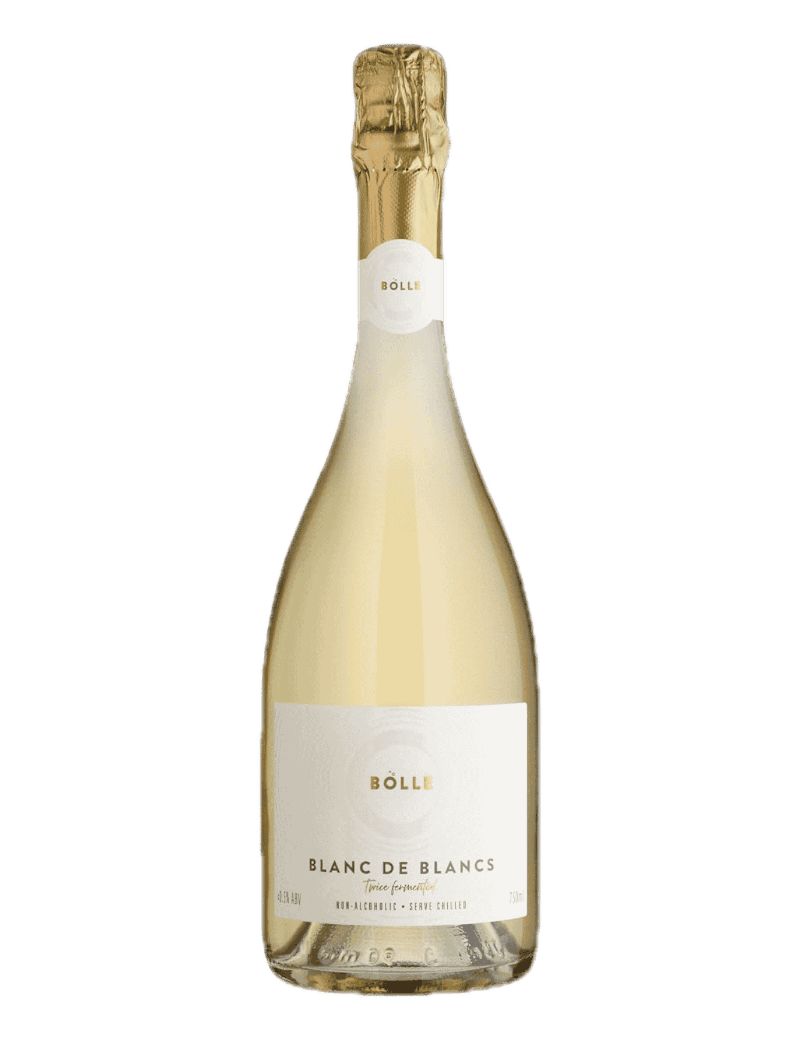
BOLLE Blanc de Blancs
$40 · 750 ml
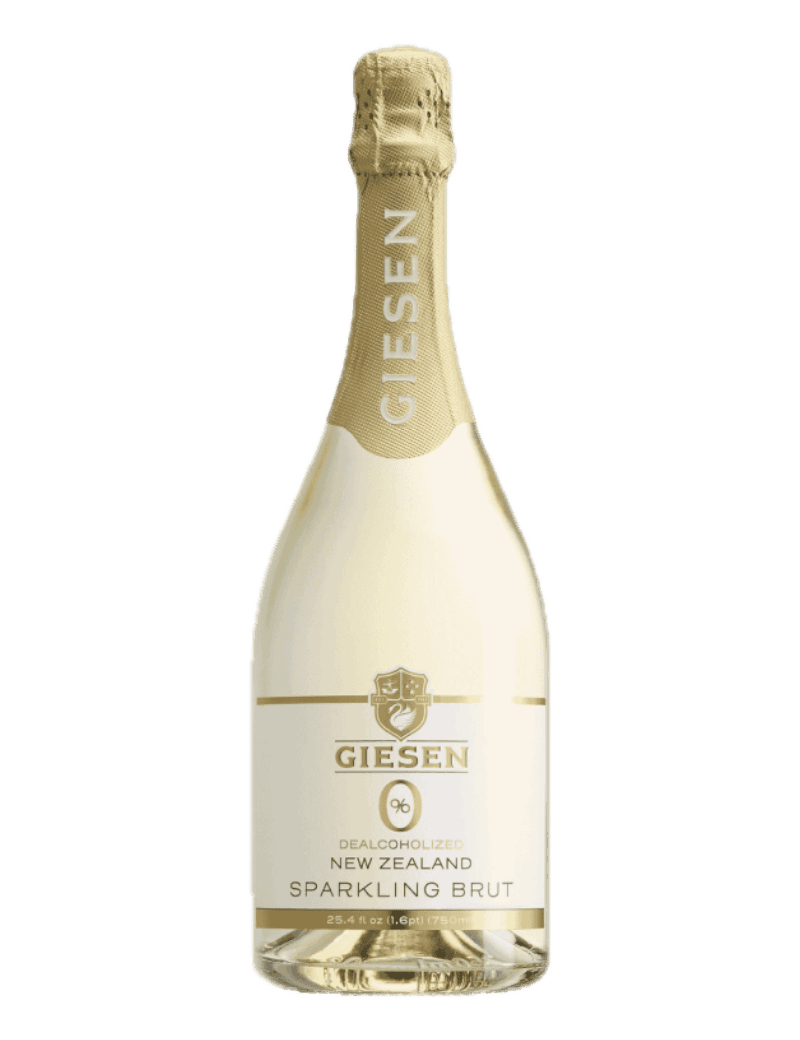
Giesen 0% Sparkling Brut
$20 · 750 ml
A pink Hugo
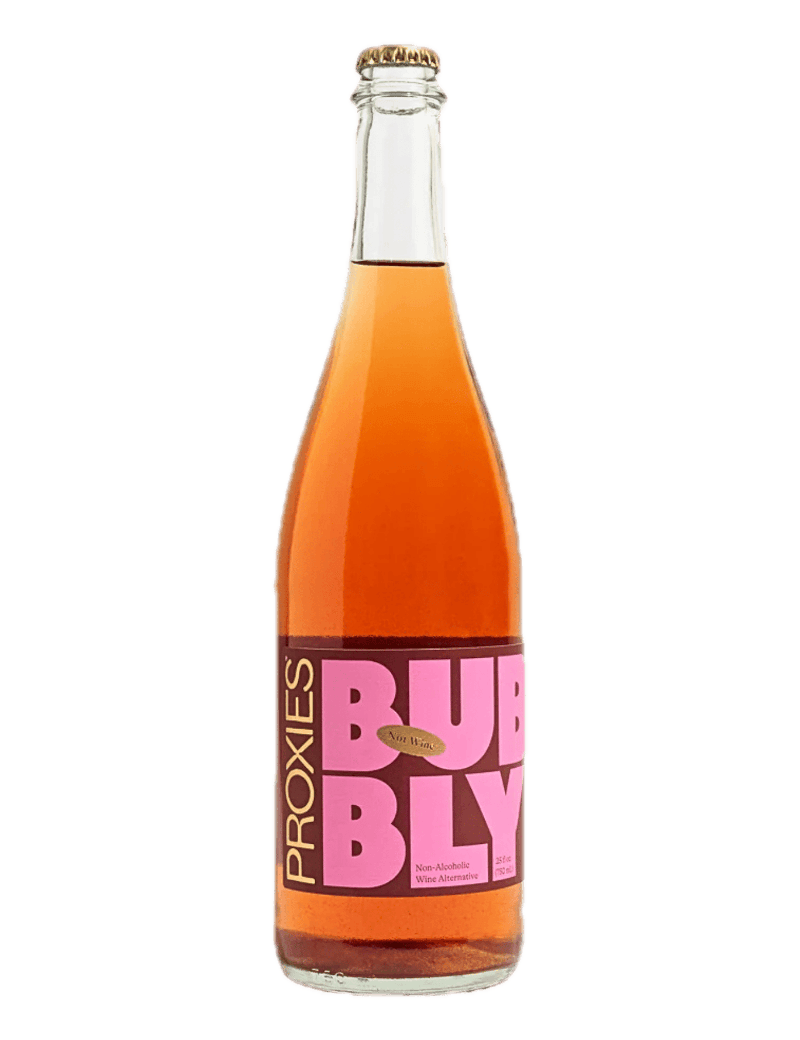
Acid League Proxies Brut Rosé has tart raspberry and lemon, then peach, elderflower and jasmine, with a dry sparkle. It already carries an elderflower note, so it's a natural fit for a pink Hugo. Use half the usual cordial and top with the Proxies.
The mint and lime
Use fresh spearmint. Clap it between your hands rather than muddling it hard, which releases the aroma without making it bitter. Use a lime wedge or two, pressed gently in the glass. If your cordial is sweet, add a quarter ounce of fresh lime juice as well.
The soda
Plain soda water or seltzer. A splash lightens the drink and cuts sweetness. Fever-Tree Premium Club Soda is softly mineral, with a touch of sea salt and fine bubbles, which suits a Hugo. Standard tonic is sometimes used, but it adds more sugar and a quinine bitterness that can overpower the elderflower. Elderflower tonic is the exception, since it doubles up on the flowers.

Our non-alcoholic Hugo spritz recipe
This is our classic Hugo. It uses less cordial than most recipes, so the elderflower tastes of flowers rather than sugar.
House recipe · 3 min · Wine glass
Zero-Proof Hugo Spritz
- 0.75 ozBelvoir Elderflower Syrup Mixer
- 8Mint leaves
- 2Lime wedges
- 4 ozMionetto Alcohol-Removed Sparkling
- 1.5 ozFever-Tree Premium Club Soda
- Clap the mint between your palms and drop it into a wine glass with the lime wedges and cordial. Press the lime gently.
- Fill the glass with ice.
- Add the sparkling wine and soda, stir once from the bottom and garnish with a mint sprig.
Garnish: Mint sprig, lime wheel
If you'd like it less sweet and a little more like the real thing, try the grown-up version. It uses half the cordial, a splash of Martini Floreale for gentle bitterness and a bone-dry sparkling wine.
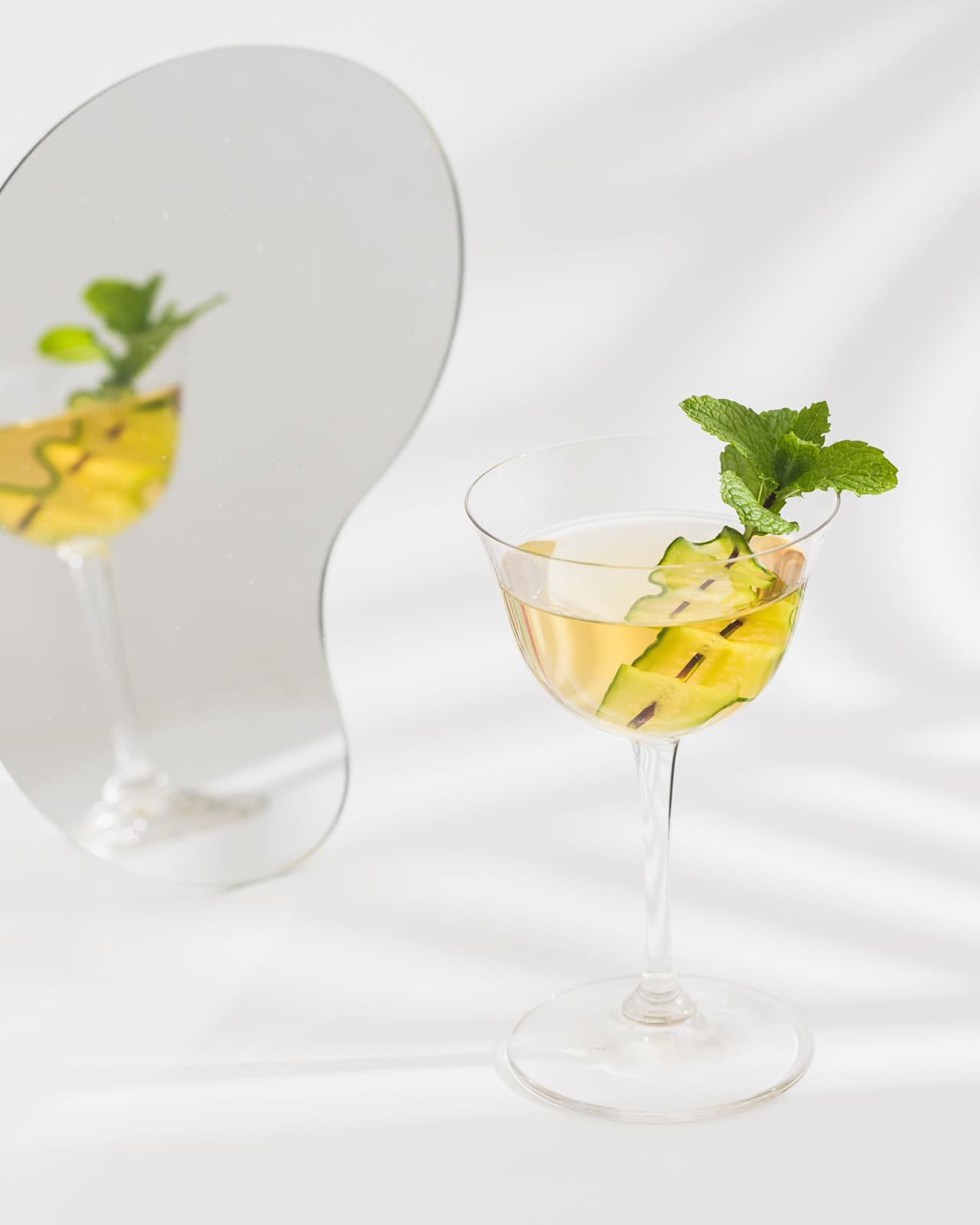
House recipe · 3 min · Wine glass
The Grown-Up Hugo
- 0.5 ozBelvoir Elderflower Syrup Mixer
- 0.75 ozMartini Floreale
- 6Mint leaves
- 1Lime wedge
- 4 ozBolle Blanc de Blancs
- 1 ozFever-Tree Premium Club Soda
- Clap the mint and add it to a wine glass with the cordial, Floreale and a squeeze of lime.
- Fill with ice.
- Top with the sparkling wine and soda. Stir once and garnish.
Garnish: Mint sprig, lime wheel
Why most Hugo mocktails taste too sweet
If you've had a Hugo spritz mocktail that tasted like lemonade, one of these is usually the reason.
Too much cordial. Recipes written for elderflower liqueur often call for an ounce or more. Cordial is more concentrated and has no alcohol to balance it, so start at three quarters of an ounce or less.
A sweet sparkling wine. Some alcohol-removed sparkling wines have sugar or grape juice added back to make up for lost body. That's fine in a mimosa, but it doubles up on the cordial here. Check the label or pick a brut.
Not enough acidity. Lime isn't just a garnish in a Hugo. Press the wedges in the glass, and add a little fresh juice if the drink still tastes flat.
Too little ice. A half-full glass warms up quickly, and a warm Hugo tastes sweeter. Fill the glass to the top.
Making Hugos for a crowd
A Hugo is easy to batch. For six drinks, put a large handful of mint, 4 oz of elderflower cordial and the juice of one lime in a pitcher and press the mint lightly. Keep it in the fridge. When your guests arrive, pour an ounce of the base into each ice-filled glass, top with about 4 oz of cold non-alcoholic prosecco and a splash of soda, and add a lime wheel. Don't add the sparkling wine to the pitcher, or it'll go flat before the second round.
The best bottles, side by side
| Bottle | Style | Price | Rating | Tastes most of | Buy |
|---|---|---|---|---|---|
| Belvoir Farm Elderflower Syrup Mixer | Elderflower cordial | $13 / 500 ml | — | sweet, body, sour | Buy |
| Mionetto Alcohol-Removed Sparkling | Alcohol-removed sparkling white | $16 / 750 ml | 4.1 | sweet, fruit, sour | Buy |
| Wölffer Estate Spring in a Bottle Blanc de Blancs | Non-alcoholic sparkling white | $25 / 750 ml | 4.0 | fruit, sweet, sour | Buy |
| BOLLE Blanc de Blancs | Non-alcoholic sparkling white | $40 / 750 ml | 4.3 | sour, citrus, fruit | Buy |
| Giesen 0% Sparkling Brut | Dealcoholised sparkling wine | $20 / 750 ml | 4.4 | sour, citrus, fruit | Buy |
| Grüvi Dry Secco | Non-alcoholic sparkling white | $36 / 8 × 275 ml | 4.6 | sweet, sour, citrus | Buy |
| Acid League Brut Rosé | Sparkling wine proxy (rosé) | $25 / 750 ml | 4.0 | sour, citrus, fruit | Buy |
| Martini Floreale | Floral aperitivo | $20 / 750 ml | 4.1 | herbal, bitter, sweet | Buy |
| Fever-Tree Elderflower Tonic Water | Elderflower tonic water | $6 / 4 × 200 ml | 4.6 | sweet, bitter, herbal | Buy |
| Fever-Tree Premium Club Soda | Club soda | $6 / 4 × 200 ml | 4.0 | body, bitter, sweet | Buy |
Hugo spritz vs Aperol spritz
They're both spritzes and they're both served in a big wine glass over ice, but they taste very different.
An Aperol spritz is built on a bittersweet orange aperitivo. It's orange in color, fruity and gently bitter. A Hugo spritz is built on elderflower, mint and lime. It's pale, floral and fresh, with no real bitterness at all. The Hugo is lighter and more summery, and it's often a good choice for people who don't like bitter drinks.
The non-alcoholic versions follow the same split. An Aperol spritz needs a bittersweet orange aperitivo like Lyre's Italian Spritz, and a Hugo needs elderflower and fresh herbs.
Variations
- Aperol spritz. The orange classic, bittersweet and fruity.
- Spritz, the whole family. From floral to properly bitter, with all the aperitivos we list.
- Mojito. Mint and lime again, but with a rum alternative and sugar instead of elderflower and fizz.
- French 75. Another light, sparkling drink, with gin, lemon and sugar.
Where to order one
A Hugo is easy for any bar with non-alcoholic prosecco and fresh mint. Alcohol-free bars will almost always make one. A few worth visiting:
Questions
What's in a Hugo spritz?
Prosecco, elderflower liqueur or syrup, fresh mint, lime and a splash of soda water, served over ice in a wine glass. A non-alcoholic Hugo swaps the prosecco for an alcohol-free sparkling wine and uses elderflower cordial or a non-alcoholic elderflower liqueur.
Is there a virgin Hugo spritz?
Yes. A virgin Hugo spritz uses elderflower cordial, mint and lime with a non-alcoholic prosecco and soda. Belvoir's elderflower syrup is the easy base, and Fever-Tree Elderflower Tonic makes a quick shortcut. It's cheap to make one at home in a few minutes.
How do you make a non-alcoholic Hugo spritz?
Put 8 mint leaves, 2 lime wedges and three quarters of an ounce of elderflower cordial in a wine glass and press the lime gently. Fill with ice, then add 4 oz of non-alcoholic prosecco and a splash of soda. Stir once and garnish with mint.
What can I use instead of St-Germain in a Hugo spritz?
Elderflower cordial, such as Belvoir's, is the easiest non-alcoholic St-Germain substitute. Use a little less than you would of the liqueur, since cordial is more concentrated. For more depth, add a splash of a floral aperitivo like Martini Floreale, which brings a light bitterness that cordial lacks.
Is elderflower cordial the same as elderflower syrup?
Mostly, yes. Both are sweet, concentrated elderflower drinks made to be diluted, and the names are used interchangeably. Cordial is the usual term in the UK, and syrup is more common in the US and continental Europe. Some syrups are thicker and sweeter, so check the dilution guide on the bottle.
What is the difference between a Hugo spritz and an Aperol spritz?
A Hugo spritz is pale, floral and fresh, made with elderflower, mint and lime. An Aperol spritz is orange and bittersweet, made with Aperol. Both are topped with prosecco and soda and served over ice in a wine glass.
What is the best non-alcoholic prosecco for a spritz?
Mionetto Alcohol-Removed Sparkling is made from Glera, the prosecco grape, so it's the closest match. It's a little sweet, which suits a Hugo if you go easy on the cordial. For a drier drink, use Bolle Blanc de Blancs or Giesen 0% Sparkling Brut.
How many calories are in a Hugo spritz mocktail?
It depends mostly on how much cordial you use and how sweet the sparkling wine is. Without alcohol, a Hugo mocktail is usually lighter than the real thing. Using less cordial, a dry sparkling wine and more soda keeps it lowest in sugar and calories.