The best non-alcoholic espresso martini is fresh espresso shaken hard with a coffee liqueur alternative like Lyre's Coffee Originale and a touch of syrup, then double-strained into a cold coupe. That's it. Coffee does most of the work in this drink, so it survives losing the alcohol better than almost any other classic.
What's hard is everything the vodka was quietly doing. In a regular espresso martini, vodka adds heat, dries out the finish and thins the sweetness of the coffee liqueur, so the drink tastes bittersweet rather than like iced mocha. A zero-proof vodka helps a little, but most of the balance has to come from elsewhere: strong, fresh coffee, less sugar than you'd think, a pinch of salt and a shake hard enough to build a thick crema.
The zero proof Espresso Martini
The bottles we’d buy, and the one we make at home.
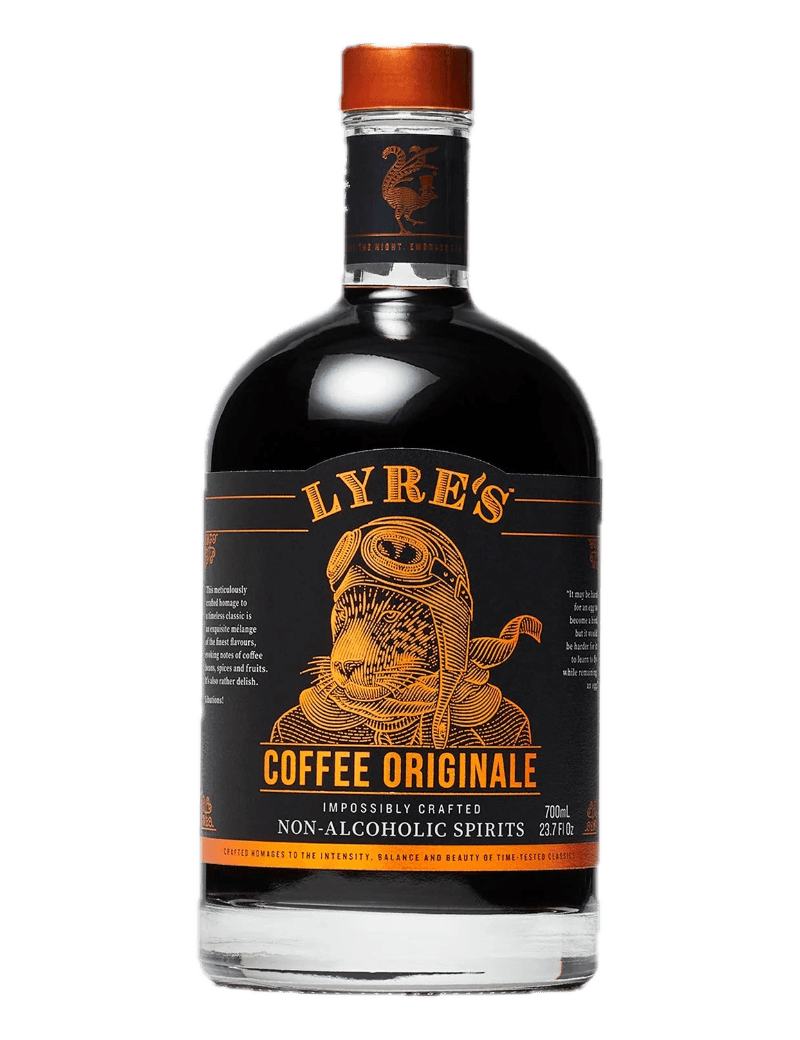
Lyre's Coffee Originale
$38 · 700 ml
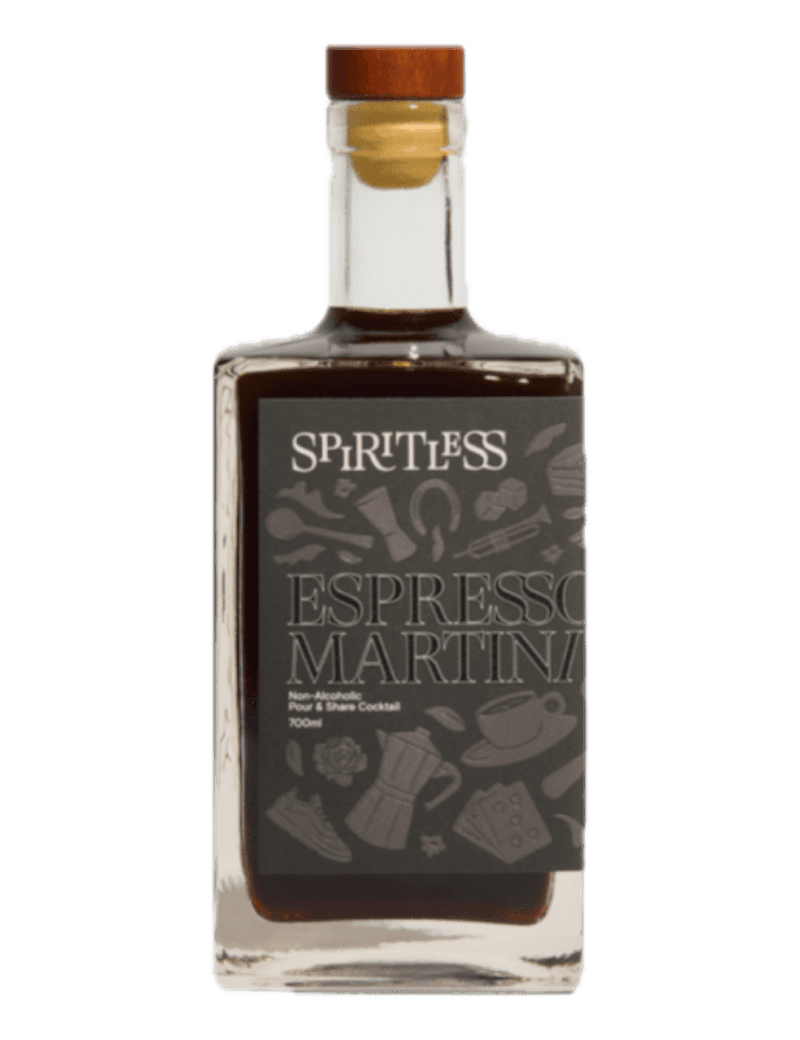
Spiritless Espresso Martini
$30 · 700 ml

CleanCo Clean V
$30 · 700 ml
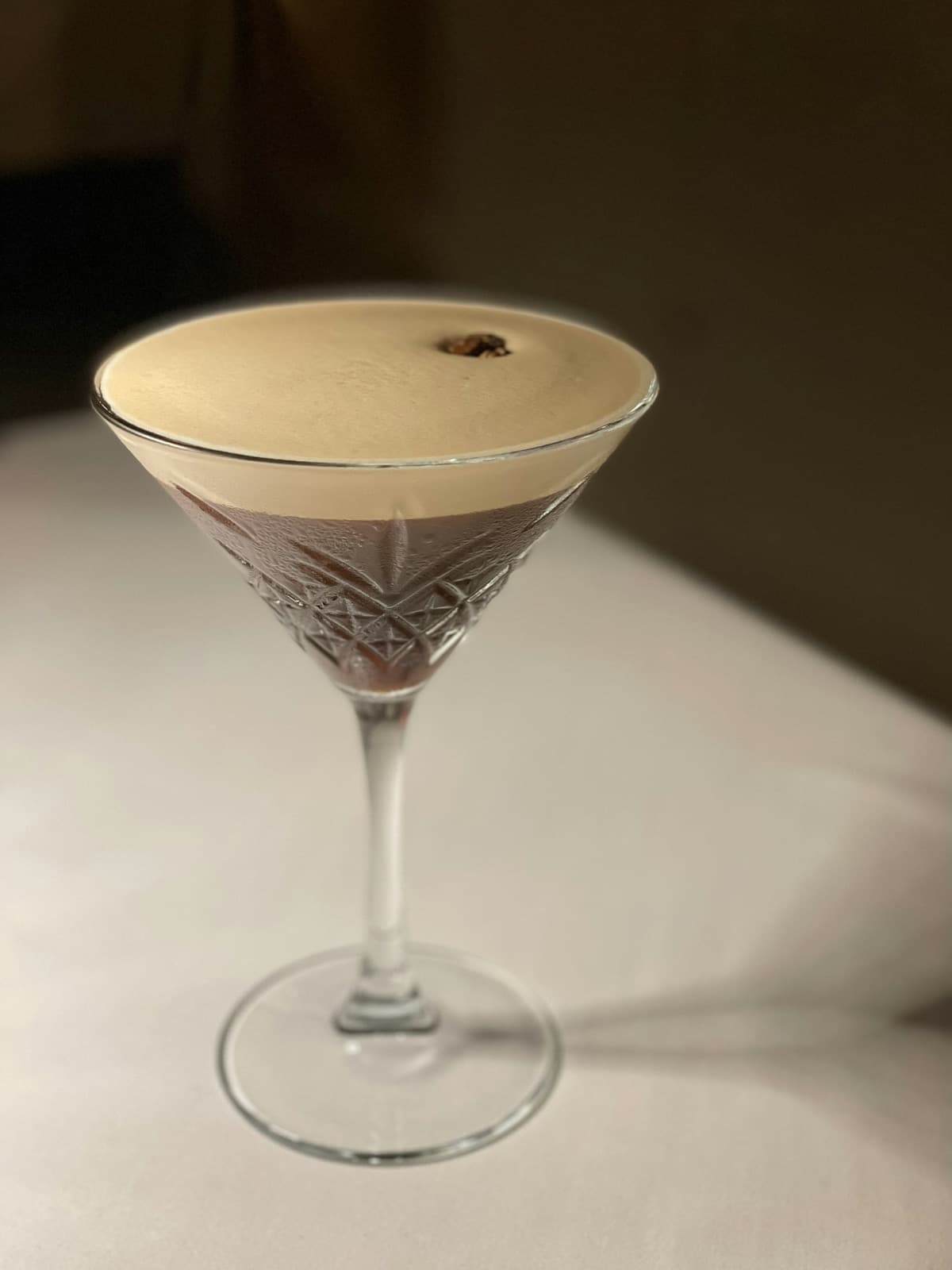
House recipe · 4 min · Coupe
Espresso Martini
- 1.5 ozLyre's Coffee Originale
- 1 ozFresh espresso
- 0.25 ozSimple syrup
- Shake very hard with ice for 15 seconds.
- Double-strain into a chilled coupe.
- Float three beans.
Garnish: Three coffee beans
Go deeper
What makes an espresso martini work
The espresso martini was created in London in the 1980s and is usually credited to bartender Dick Bradsell. The modern recipe is vodka, coffee liqueur, fresh espresso and a little sugar syrup, shaken with ice and strained into a coupe with three coffee beans on top.
Four things make it work, and each one needs handling in a virgin espresso martini:
- Fresh coffee: bitterness, aroma and foam. Freshly pulled espresso has natural oils and dissolved gas that whip into a stable foam when shaken hard. This is the most important ingredient, and it's the same with or without alcohol.
- Coffee liqueur: sweetness, body and depth. It adds roast, caramel and vanilla, and the syrupy texture that makes the drink feel rich. Kahlúa is the usual choice.
- Vodka: dryness and heat. It stops the drink tasting like a dessert and adds a little burn on the finish. It's the one part that's hard to replace.
- The shake: texture. A long, violent shake with plenty of ice is what builds the crema. A weak shake gives you a flat, brown drink.
To make up for the missing vodka, we use less sugar, add a pinch of salt (which brings the coffee's sweetness and bitterness into balance and gives the drink more body), and serve it very cold. Some people like a splash of a darker spirit or a dry botanical one in the vodka slot; more on that below.
The ready-made route
There are now two ready-made non-alcoholic espresso martinis, one to shake and one to drink from the can.
Spiritless Espresso Martini is bottled and made with real brewed coffee: bold coffee, a little sweetness and a bitter finish. It's ready to pour rather than ready to drink. Shake a serve hard over ice to build the foam, strain into a coupe and add three beans. It has about 38 mg of caffeine a serve, so it's the gentler of the two.
Lapo's Espresso Martini is canned: rich coffee and a velvety texture, with vanilla and cinnamon. It carries 120 mg of caffeine a can, so treat it as a pre-dinner drink, not a nightcap. For a foam, give it a hard shake with ice before you pour.

Two coffee cocktails that aren't espresso martinis are also worth knowing.
Free Spirits Espresso Old Fashioned is an Old Fashioned riff on The Spirit of Bourbon with real espresso: sweet oak and roast coffee, about 64 mg of caffeine a can. Pour it over ice with an orange twist.
St. Agrestis Phony Espresso Negroni is the Phony Negroni blended with espresso brewed in-house. It's bitter orange and gentian with a real coffee edge, and it has 100 mg of caffeine per bottle. It's not an espresso martini: it's bitter where an espresso martini is bittersweet, and it's served over ice rather than foamed up. But if what you want is a bitter coffee cocktail with no mixing, it's a good bottle to have in the fridge.

Free Spirits Espresso Old Fashioned
$16 · 4 × 8.4 oz can

St. Agrestis Phony Espresso Negroni
$40 · 6 × 200 ml
To make your own, the good news is that it's quick, and you only need one bottle.
The swaps
The coffee liqueur (the Kahlúa slot)
The non alcoholic coffee liqueur is the one bottle to buy. It gives the drink sweetness, body and a deeper, rounder coffee flavor than espresso alone.
- Lyre's Coffee Originale is our pick, and the only non-alcoholic coffee liqueur in our catalogue at the moment. It's roasted coffee with chocolate and caramel, sweet and full-bodied. It's the most direct Kahlúa alternative we know, and it's built for exactly this drink. On its own it's quite sweet, which is why our recipes cut the extra syrup back to almost nothing.
If you can't get it, you can make an espresso martini without Kahlúa or any coffee liqueur. Use a rich demerara syrup with a couple of drops of vanilla in its place. It won't have quite the same depth, but with good coffee it's very close. That's our from-scratch recipe below.
The vodka
Vodka's main job in this drink is dryness and a bit of heat, and the rest of the drink is loud enough that its absence is easy to cover. So you don't strictly need a vodka alternative, but a few bottles do that job well, and some add flavor of their own:
- Nothing. Just use more coffee. Our house recipe skips the vodka and is better for it.
- CleanCo Clean V. The best non-alcoholic vodka for an espresso martini we list: sugar-free, with wheat and rye up front and ginger, pimento and black pepper for the burn. An ounce dries the drink out and adds a warm, peppery finish that sits well with coffee.
- Fluere Spiced Cane Dark Roast. A spiced rum alternative made from Dominican cane molasses, with coffee and chocolate on the nose and tonka, liquorice and toffee on the palate. Half an ounce to an ounce gives the drink more weight and a darker, less sweet finish. It's the best base-spirit option we list for this drink.
- Three Spirit Social. A social elixir of cacao, lion's mane and yerba mate with a warm, herbal, faintly smoky edge. Three Spirit suggests it in a zero-proof espresso martini, and the cacao sits naturally with coffee. Use half an ounce; it's bitter and herbal.
- Seedlip Spice 94. Allspice, cardamom and oak, warm and dry with no sugar. Half an ounce adds spice and a drier finish.
CleanCo Clean V
$30 · 700 ml

Fluère Spiced Cane Dark Roast
$35 · 700 ml

Three Spirit Social
$39 · 500 ml

Seedlip Spice 94
$32 · 700 ml
The coffee
- Espresso is best. Pull it fresh and use it while it's still warm: the oils and gas that make the foam fade as it sits.
- Cold brew concentrate is the best option if you don't have an espresso machine. It's smooth and strong, and shaking it hard with a coffee liqueur still gives a respectable foam. Don't use regular diluted cold brew; it's too weak.
- Moka pot or AeroPress coffee made strong also works. Instant espresso powder dissolved in a little hot water is the emergency option.
- Decaf is fine. A decaf alcohol free espresso martini tastes the same, and the foam depends on the oils, not the caffeine.
Our non-alcoholic espresso martini recipe
This is our house version: Lyre's Coffee Originale, fresh espresso and a little syrup, shaken very hard.
House recipe · 4 min · Coupe
Espresso Martini
- 1.5 ozLyre's Coffee Originale
- 1 ozFresh espresso
- 0.25 ozSimple syrup
- Shake very hard with ice for 15 seconds.
- Double-strain into a chilled coupe.
- Float three beans.
Garnish: Three coffee beans
If it tastes like dessert, drop the syrup completely, add a pinch of salt, or add an ounce of Clean V. If it's too bitter, go up to half an ounce of syrup.
The cold brew espresso martini
The espresso martini mocktail with cold brew is the no-machine version. Cold brew concentrate is smoother and less acidic than espresso, so it makes a rounder, slightly sweeter drink.
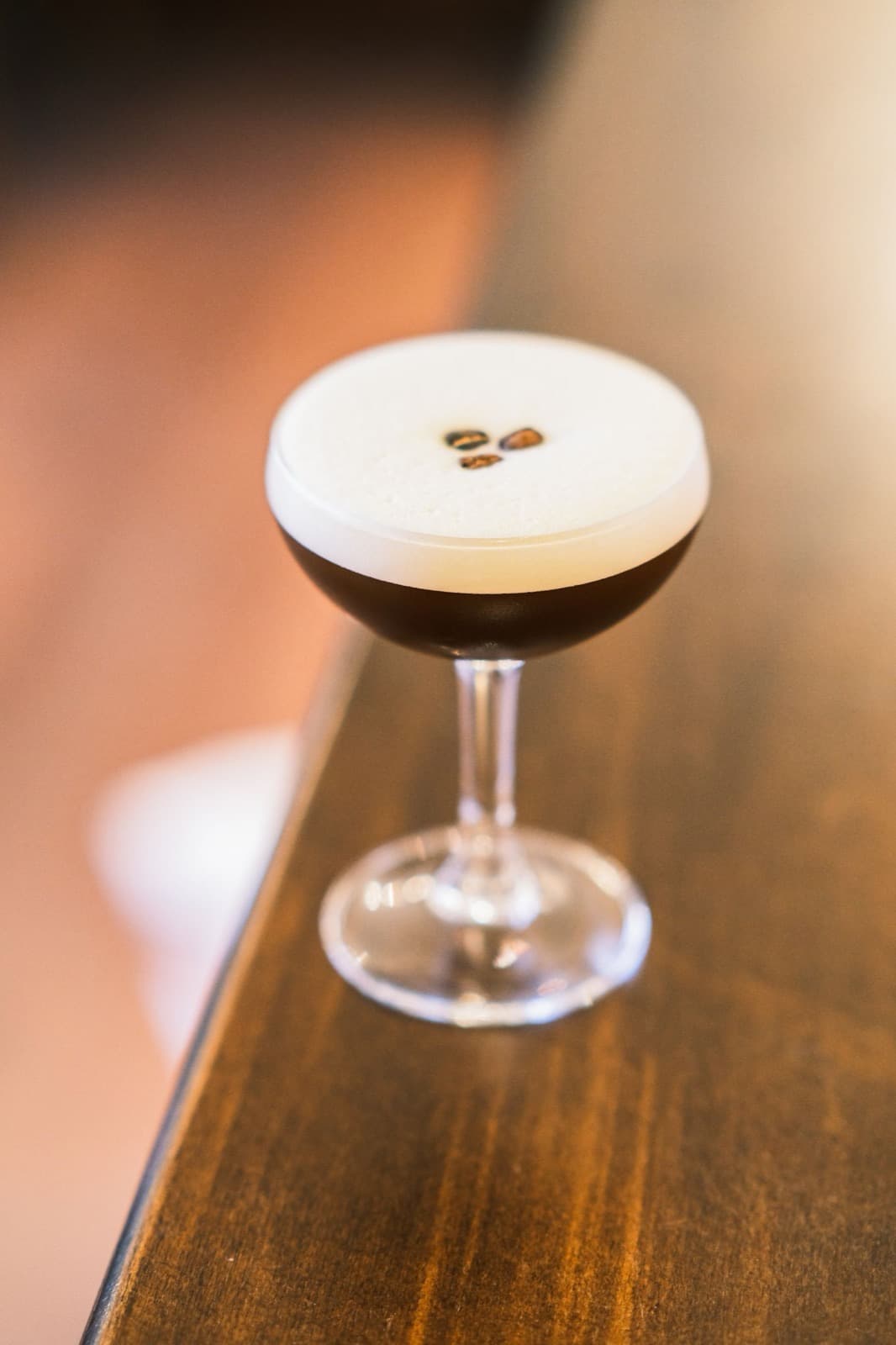
House recipe · 3 min · Coupe
Cold Brew Espresso Martini
- 1.5 ozCold brew concentrate (undiluted)
- 1 ozLyre's Coffee Originale
- 0.25 ozDemerara syrup (1:1)
- PinchSalt
- Chill a coupe.
- Shake everything with plenty of ice as hard as you can for 15 to 20 seconds.
- Double-strain into the glass, let the foam settle for a moment and float three beans.
Garnish: Three coffee beans
The from-scratch espresso martini (no coffee liqueur)
For when you don't have a coffee liqueur, or want something less sweet. Demerara and vanilla stand in for the liqueur, and Spice 94 is optional.
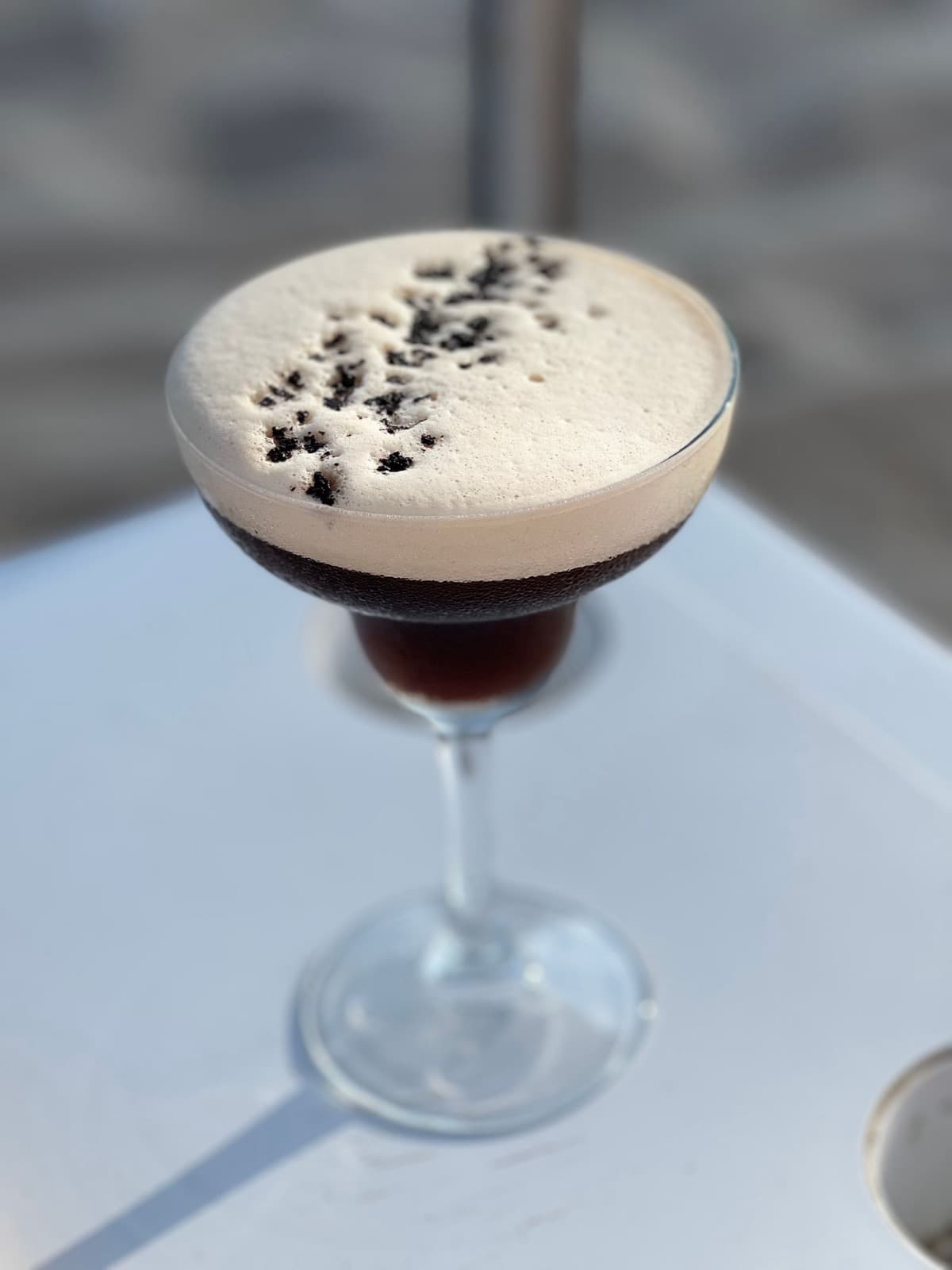
House recipe · 4 min · Coupe
From-Scratch Espresso Martini
- 2 ozFreshly pulled espresso (or decaf), still warm
- 0.5 ozDemerara syrup (1:1)
- 2 dropsVanilla extract
- PinchSalt
- 0.5 ozSeedlip Spice 94 (optional, for spice and a drier finish)
- Pull the espresso and stir in the syrup, vanilla and salt while it's hot.
- Add the Spice 94 if using, then shake very hard with lots of ice for 20 seconds.
- Double-strain into a chilled coupe and garnish.
Garnish: Three coffee beans or grated orange zest
Getting the foam right
The crema is the thing people judge an espresso martini by, and it's just as achievable without alcohol.
- Use fresh, hot espresso. Coffee that's been sitting for ten minutes won't foam as well.
- Fill the shaker with ice. More ice means a colder, more vigorous shake and a better foam.
- Shake harder and longer than you think. Fifteen to twenty seconds, as hard as you can. You're whipping air into it.
- Double-strain. Pour through a fine strainer to catch ice shards, so the foam is smooth and even.
- Wait a moment. Let the drink settle for ten seconds before you add the beans. They'll sit on a proper crema.
The best bottles, side by side
Here's how the bottles we'd use for an espresso martini compare. The table pulls live ratings from around the web; see each bottle's page for sources.
| Bottle | Style | Price | Rating | Tastes most of | Buy |
|---|---|---|---|---|---|
| Lyre's Coffee Originale | Coffee liqueur alternative | $38 / 700 ml | 4.5 | sweet, body, bitter | Buy |
| Spiritless Espresso Martini | Ready-to-pour espresso martini | $30 / 700 ml | 4.0 | bitter, sweet, body | Buy |
| Lapo's Espresso Martini | Ready-to-drink espresso martini | $20 / 4 × 8.4 oz can | 3.9 | bitter, sweet, body | Buy |
| CleanCo Clean V | Vodka alternative | $30 / 700 ml | 3.9 | spice, bitter, herbal | Buy |
| Fluère Spiced Cane Dark Roast | Spiced rum alternative | $35 / 700 ml | 3.9 | spice, body, bitter | Buy |
| Three Spirit Social | Social elixir | $39 / 500 ml | 4.3 | herbal, bitter, spice | Buy |
| Lyre's Amaretti | Amaretto alternative | $36 / 700 ml | 4.7 | sweet, body, fruit | Buy |
| Free Spirits Espresso Old Fashioned | Ready-to-drink old fashioned | $16 / 4 × 8.4 oz can | 4.0 | bitter, body, sweet | Buy |
| St. Agrestis Phony Espresso Negroni | Ready-to-drink negroni | $40 / 6 × 200 ml | 4.1 | bitter, body, sweet | Buy |
| Guinness 0 | Stout | $10 / 4 × 14.9 oz | 3.2 | body, bitter, sweet | Buy |
Variations
A few twists on the espresso martini itself, all easy with the bottles above:
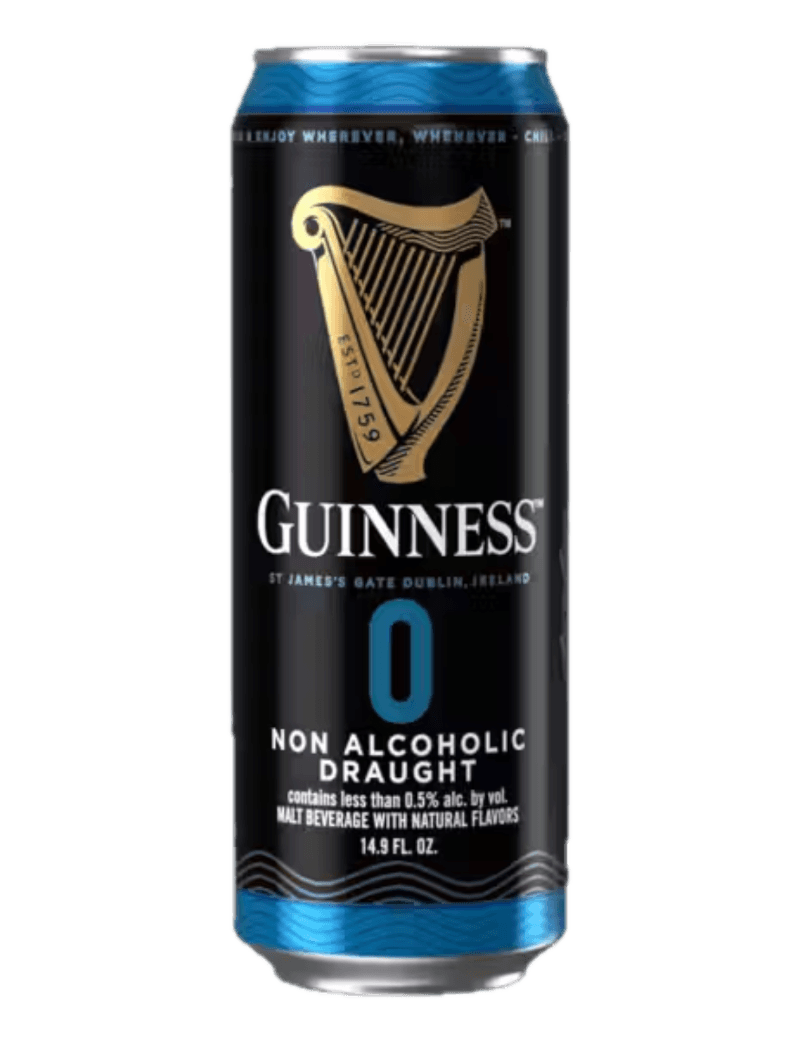
- Stout-topped espresso martini. Guinness 0 is roasted and smooth, with coffee and chocolate notes and a creamy head. Shake the house recipe, strain it into a coupe, and float an ounce of cold Guinness 0 on top. It gives a darker, drier, more bitter finish.
- Spiced espresso martini. Add half an ounce of Seedlip Spice 94 and a pinch of cinnamon to the shaker. Warm and wintry, and drier than the original.
- Salted caramel espresso martini. Swap the simple syrup for a quarter-ounce of caramel syrup and add a generous pinch of salt. It's a dessert, and it knows it.
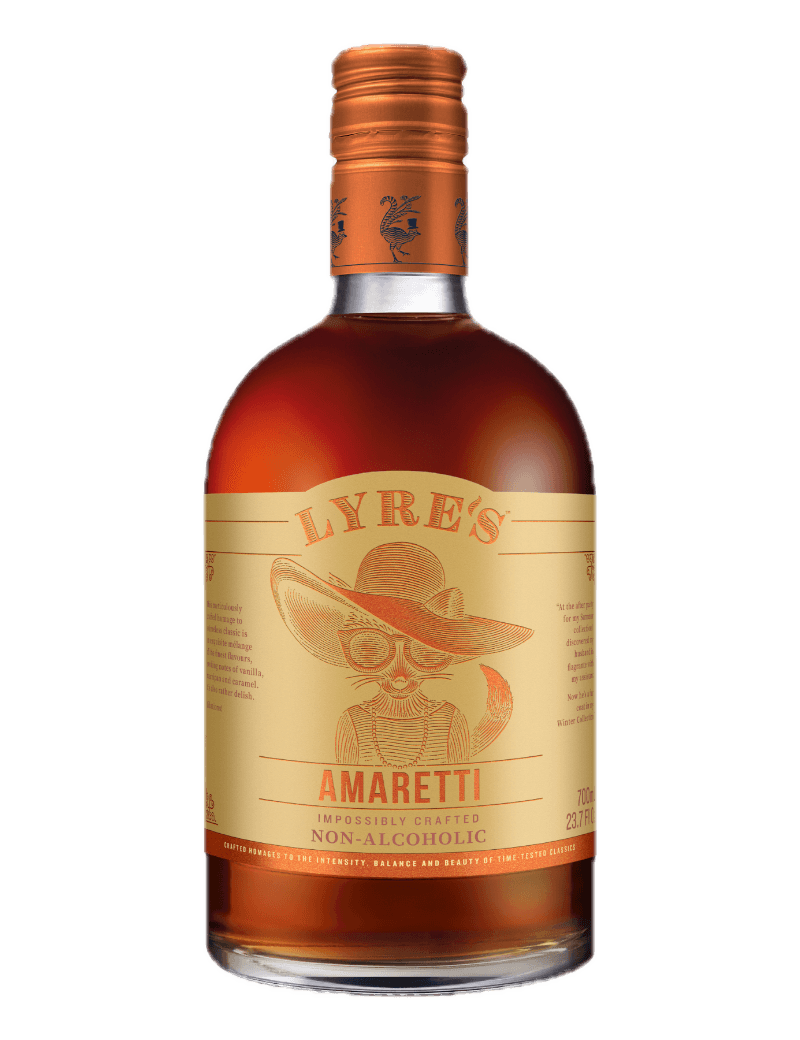
- Amaretto espresso martini. Swap half the coffee liqueur for Lyre's Amaretti, which is almond and marzipan with vanilla and peach and a touch of bitterness. It's sweet, so drop the syrup entirely.
- Orange espresso martini. Express an orange peel over the finished drink and grate a little zest on the foam. Coffee and orange are an old pairing, and the oils add aroma.
Other drinks worth knowing:
- Martini. The classic stirred gin martini, and a completely different drink.
- Old Fashioned. For a coffee Old Fashioned, stir a whiskey alternative with a little Lyre's Coffee Originale and orange bitters.
- Negroni. If you liked the Phony Espresso Negroni, the original Negroni guide covers every bottle.
- Cosmopolitan. The other "martini" served in a coupe, tart and pink.
Where to order one
The espresso martini is one of the most-ordered zero-proof drinks, and most bars with a non-alcoholic list will make one. Some good places to try:
Questions
What is a virgin espresso martini?
An espresso martini made without alcohol. It's fresh espresso shaken with a non-alcoholic coffee liqueur, or a coffee syrup, and a little sugar, served in a coupe with a foam top and three coffee beans.
What does a virgin espresso martini taste like?
Rich, bittersweet coffee with notes of chocolate and caramel, and a creamy, foamy texture. It's slightly sweeter and softer than the real thing, because there's no vodka to dry out the finish, so a pinch of salt and less syrup help.
Can you make an espresso martini without coffee liqueur?
Yes. Shake fresh espresso with demerara syrup, a couple of drops of vanilla and a pinch of salt. It's less rich than a version with liqueur but more coffee-forward, and many people prefer it.
Can you make an espresso martini without Kahlúa?
Yes. Lyre's Coffee Originale is a non-alcoholic Kahlúa alternative with roasted coffee, chocolate and caramel. Or skip the liqueur and use demerara syrup and vanilla with fresh espresso.
Does an espresso martini have caffeine?
Yes, unless you use decaf. The caffeine comes mostly from the fresh espresso, so a drink with a double shot has roughly as much as a double espresso. Use decaf espresso if you're drinking it late; the flavor and foam are the same.
How do you make a non alcoholic espresso martini at home?
Shake 1.5 oz of Lyre's Coffee Originale, 1 oz of fresh espresso and a quarter-ounce of simple syrup very hard with ice for 15 seconds. Double-strain into a chilled coupe and top with three coffee beans.
What is the best non alcoholic coffee liqueur?
Lyre's Coffee Originale is the one we use and the only non-alcoholic coffee liqueur in our catalogue right now. It's roasted coffee, chocolate and caramel, sweet and full-bodied, and built for the espresso martini.
Can you make an espresso martini without an espresso machine?
Yes. Use cold brew concentrate, strong coffee from a moka pot or AeroPress, or instant espresso powder dissolved in a little hot water. Shake it as hard as you would with espresso; cold brew concentrate still gives a good foam.
What is a non alcoholic espresso martini called?
Usually a virgin espresso martini, an espresso martini mocktail or a zero-proof espresso martini. Some bars give theirs a house name, so look for anything with coffee and a coupe on the non-alcoholic menu.