Yes, you can make a genuinely good Negroni without alcohol. The fastest route is a ready-made bottle like St. Agrestis Phony Negroni poured over one big ice cube. The better-than-you'd-expect route is building one from three zero-proof parts — a bitter aperitivo, a sweet vermouth alternative and a non-alcoholic gin — stirred cold, with an orange peel.
What doesn't work is swapping each ingredient one-for-one and hoping. Alcohol does three jobs in a Negroni: it carries the bitterness, it adds weight, and it gives the drink its warmth. Take it out and a standard equal-parts recipe tastes thin and sweet. The fixes are simple once you know them, and they're below.
The zero proof Negroni
The bottles we’d buy, and the one we make at home.
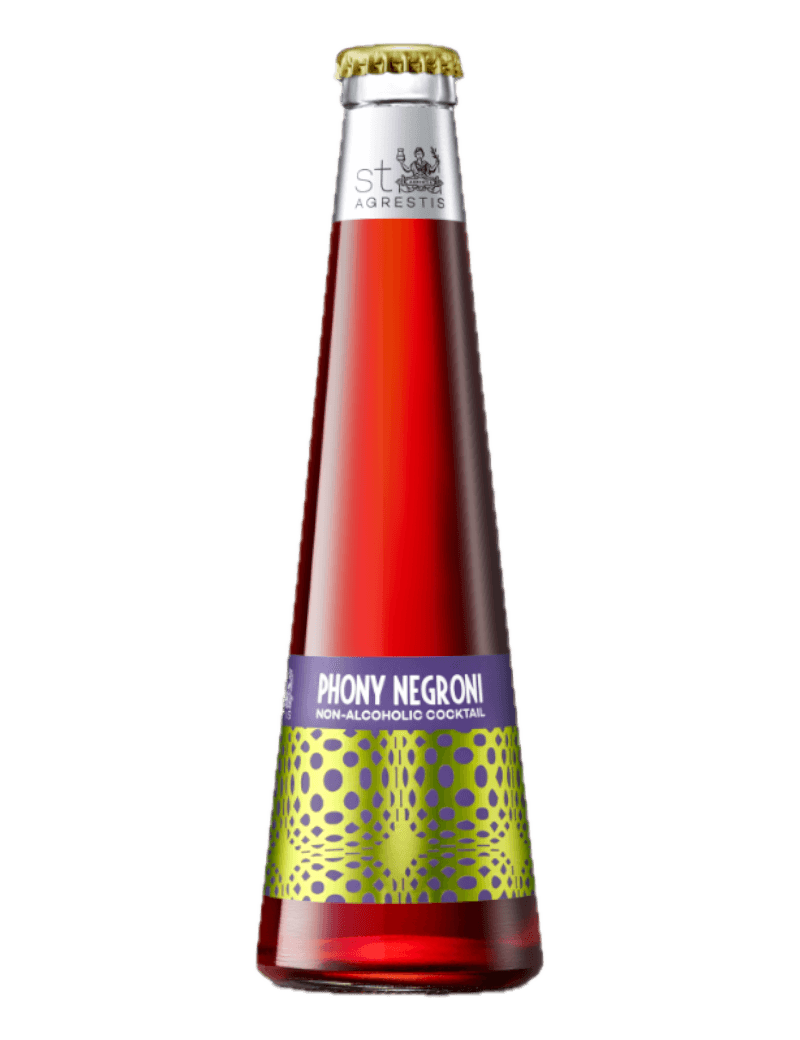
St. Agrestis Phony Negroni
$20 · 4 × 200 ml

Pathfinder Hemp & Root
$40 · 750 ml
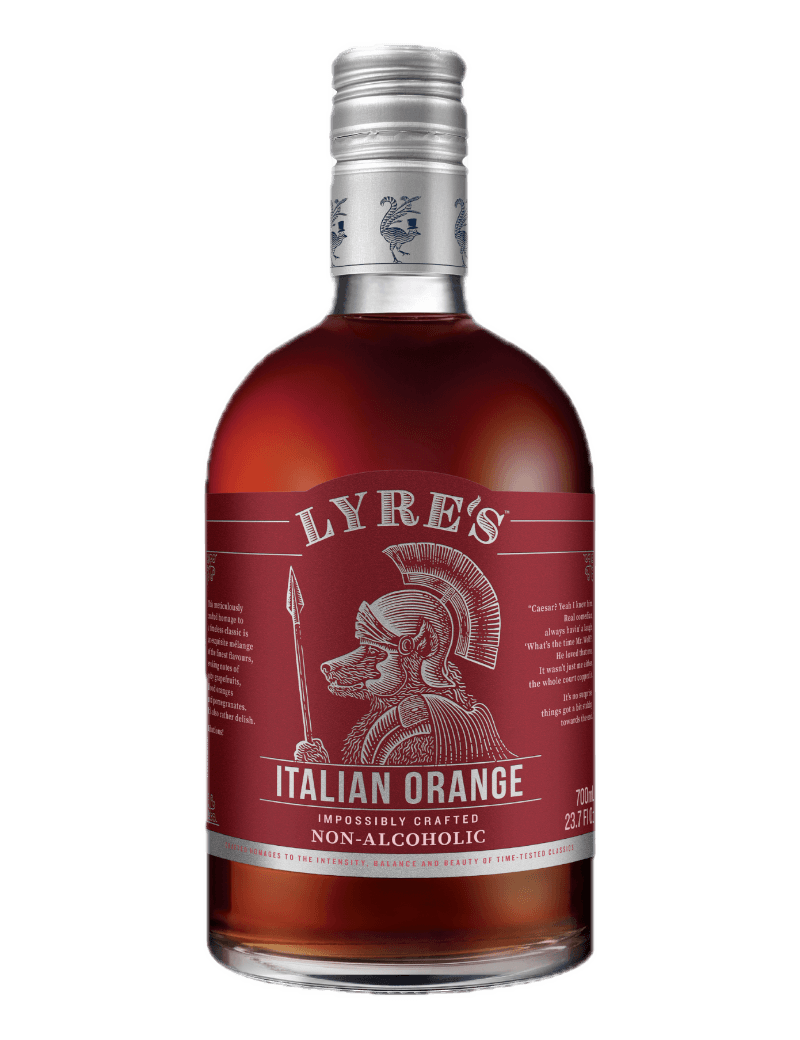
Lyre's Italian Orange
$38 · 700 ml
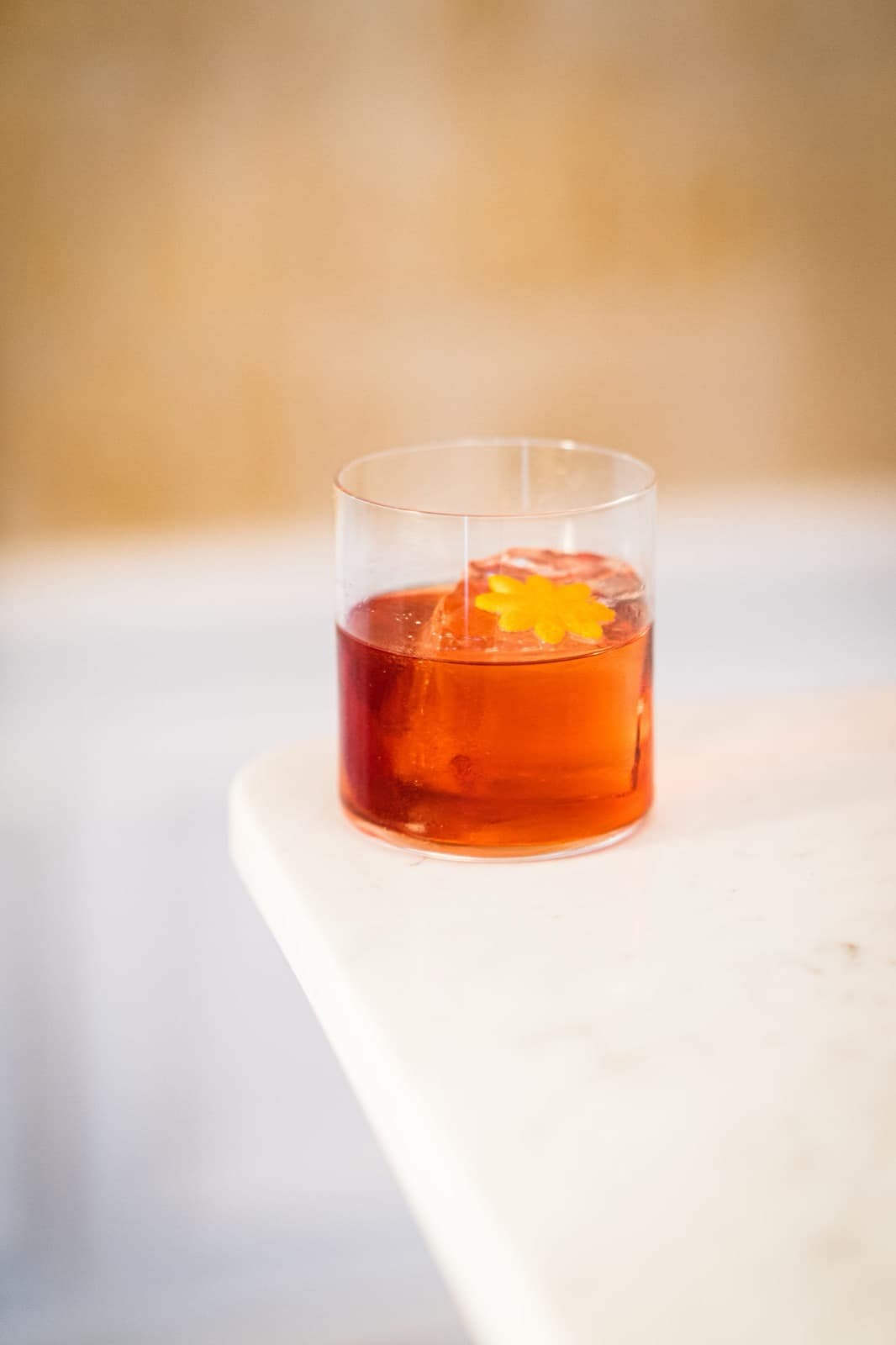
House recipe · 3 min · Rocks
Zero-Proof Negroni
- 1 ozMonday Zero Alcohol Gin
- 1 ozLyre's Italian Orange
- 1 ozLyre's Aperitif Rosso
- 2 dashesSaline (optional — adds body)
- Stir everything over ice for 20 seconds.
- Strain over one large cube.
- Express an orange peel over the top and drop it in.
Garnish: Orange peel
Go deeper
What makes a Negroni work
A classic Negroni is equal parts gin, Campari and sweet vermouth, stirred and served on the rocks with orange. It's a triangle: bitter (Campari's gentian and orange peel), sweet and spiced (vermouth's caramel, cherry and clove) and dry and botanical (gin's juniper). The 25% or so alcohol sits underneath all three, giving the drink its heft and a gentle burn that stops the sweetness from cloying.
A non-alcoholic Negroni has to rebuild that triangle and then compensate for the missing alcohol. In practice, that means:
- More bitterness than you think. Without alcohol to carry it, bitterness fades fast. Lean on the most bitter aperitivo you can find, or add a second one.
- Less sweetness. Zero-proof vermouths tend to run sweeter than the real thing. Pull the vermouth back, or add something drier.
- Something with body and bite. Look for alternatives that use capsicum, ginger or pepper to fake the warmth. A pinch of salt or two dashes of saline solution thickens the texture noticeably.
- Very cold, barely diluted. Stir with plenty of ice for a short time, then pour over one large cube. Non-alcoholic drinks dilute more quickly than spirits, and the drink gets watery if it sits over small ice.
The ready-made route
If you just want a Negroni in your hand, a pre-mixed bottle is the answer — and the best ones are genuinely good.
St. Agrestis Phony Negroni is the benchmark. It's made by a Brooklyn amaro producer using its own bitter as the base, so it tastes like it came from people who know what a Negroni is supposed to taste like: bitter orange, gentian and clove up front, a firm bitter finish, and enough weight that it doesn't read as juice. It comes in small bottles that are exactly one serve. Chill them, pour over a big cube, twist an orange peel over the top. It's the one to buy if you only buy one.
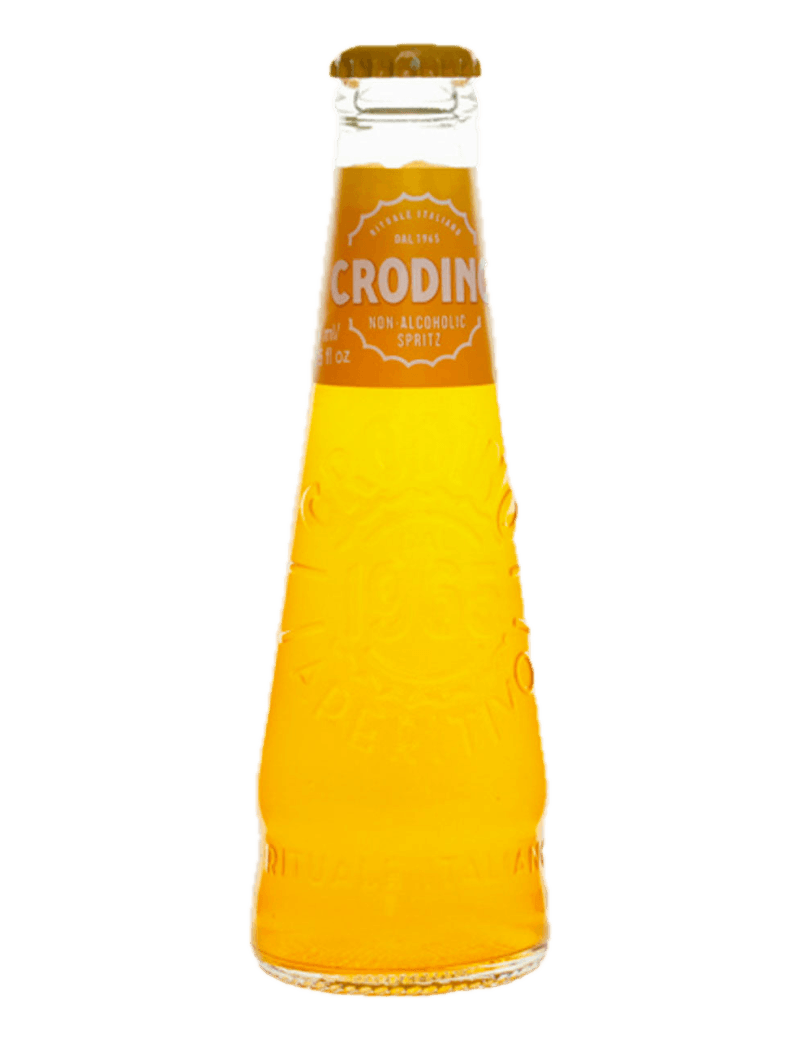
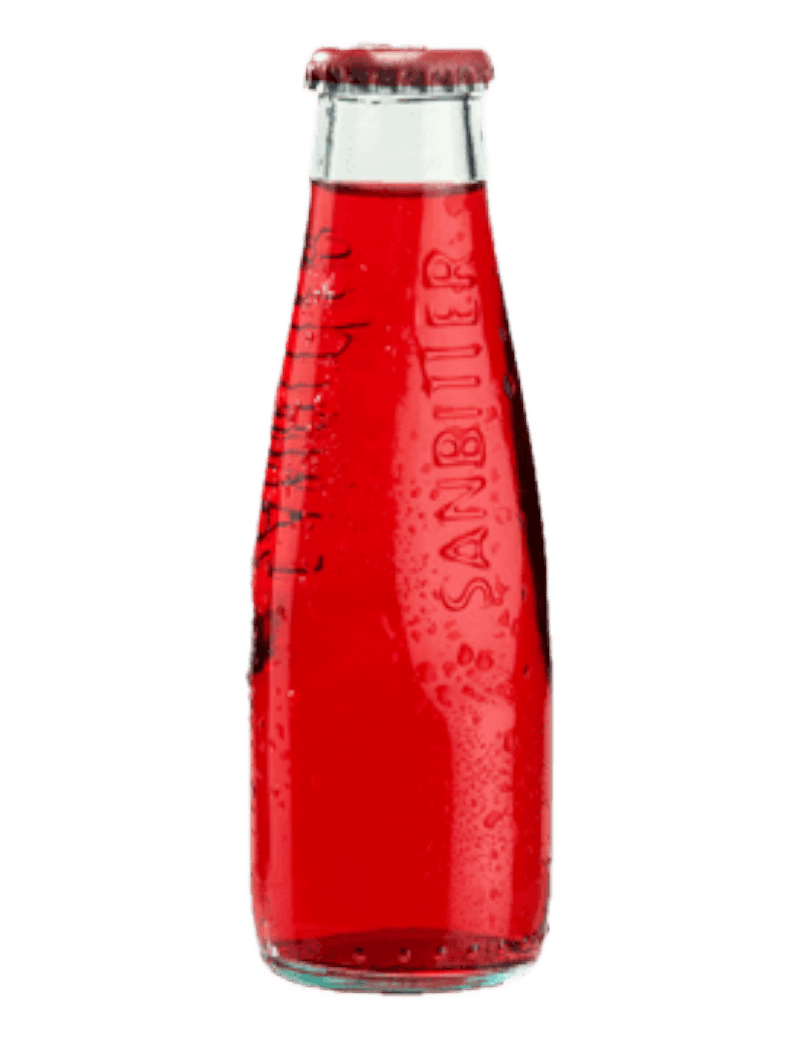
Crodino and Sanbittèr aren't Negronis, but they're worth knowing. Both are the little bitter sodas Italian bars keep in the fridge, and a splash of either over ice with a slice of orange scratches the same itch at a fraction of the price. They're lighter, fizzier and sweeter — closer to an Americano than a Negroni.
Building your own: the three swaps
Building a Negroni from bottles takes an extra minute and gives you control over the balance. Here's what to reach for in each slot.
The bitter (the Campari slot)
This is the most important swap, and where most non-alcoholic Negronis fall down. You want something properly bitter with a bright orange edge.
- Lyre's Italian Orange is the most direct Campari stand-in: the right color, blood orange and rhubarb, a clean bitter finish. On its own it can taste a touch sweet, which is why we pair it with a drier vermouth.
- Pathfinder Hemp & Root is the most bitter option we know — wormwood, saffron and ginger over a fermented hemp base. It's closer to an amaro than to Campari, and it gives the drink real backbone. If Negronis made with Lyre's taste too soft to you, this is your fix.
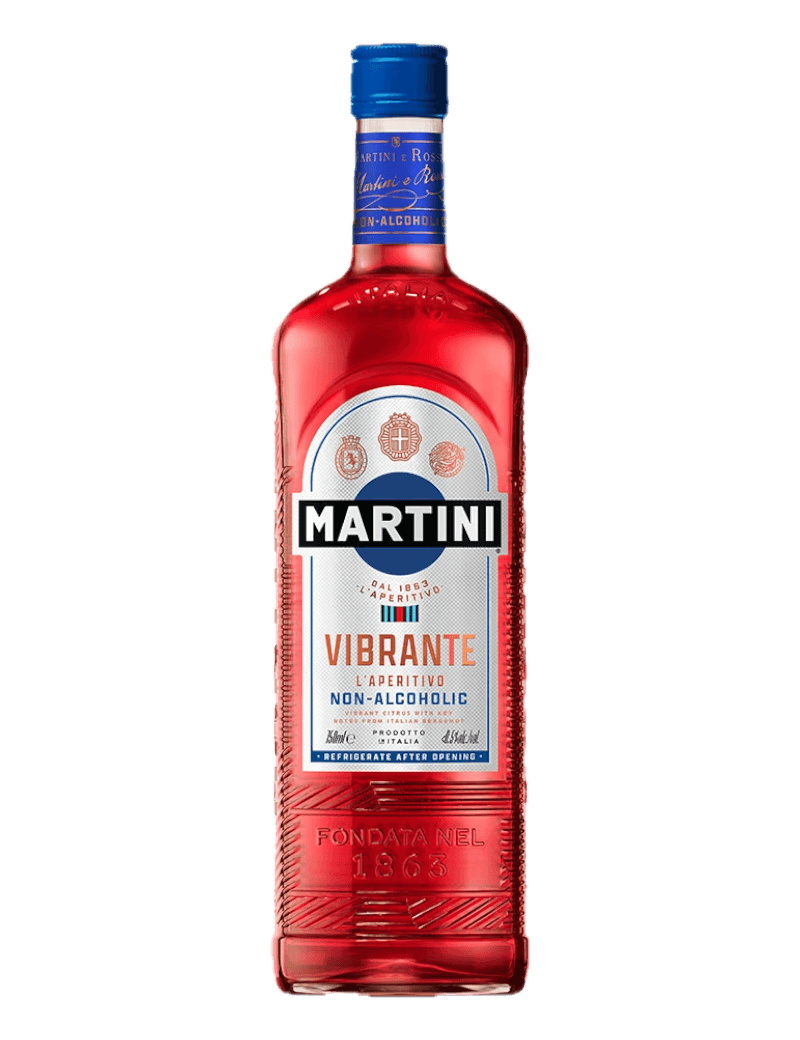
- Martini Vibrante is the easiest to find in supermarkets and the cheapest. It's lighter and more citrusy — better in a spritz or an Americano than a stirred Negroni, but it works in a pinch.
- Ghia Le Apéritif and Wilfred's Bittersweet Aperitif are both good bitters, but they lean herbal (Ghia) and orange-and-rosemary (Wilfred's). They make an interesting, lighter Negroni rather than a classic one.
The sweet vermouth
Non-alcoholic vermouths are the hardest category to get right, because vermouth relies on fortified wine for its body.
- Roots Divino Rosso is our pick: properly bitter for a rosso, with cinnamon, clove and dark herbs. It's less sweet than most and holds its own in a stirred drink.
- Lyre's Aperitif Rosso is rounder and sweeter — cherry, vanilla and clove. It makes a smoother, more approachable Negroni, especially paired with a very bitter aperitivo like Pathfinder.


The gin
In a Negroni the gin mostly provides dryness, juniper and lift, so you don't need your favorite G&T gin — you need something juniper-forward that isn't sweet.
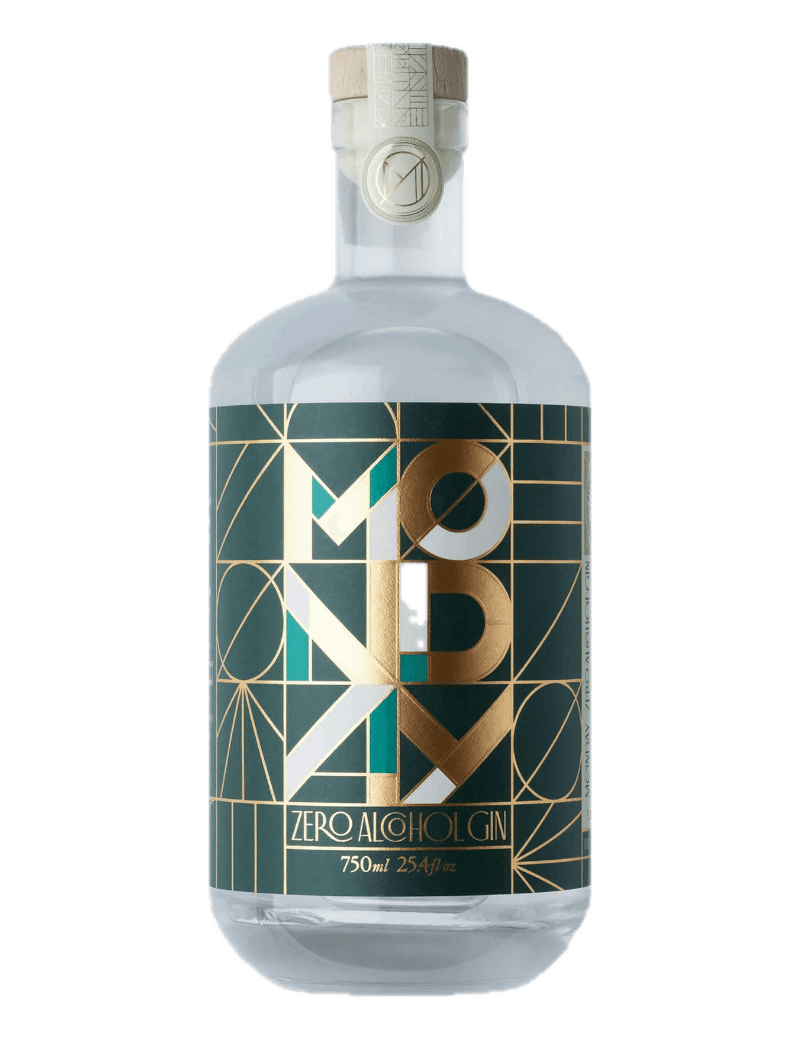
- Monday Zero Alcohol Gin is the one we use most. It's juniper-led with lemon and a warming tingle that stands in for the burn of alcohol, and it adds structure to the drink.
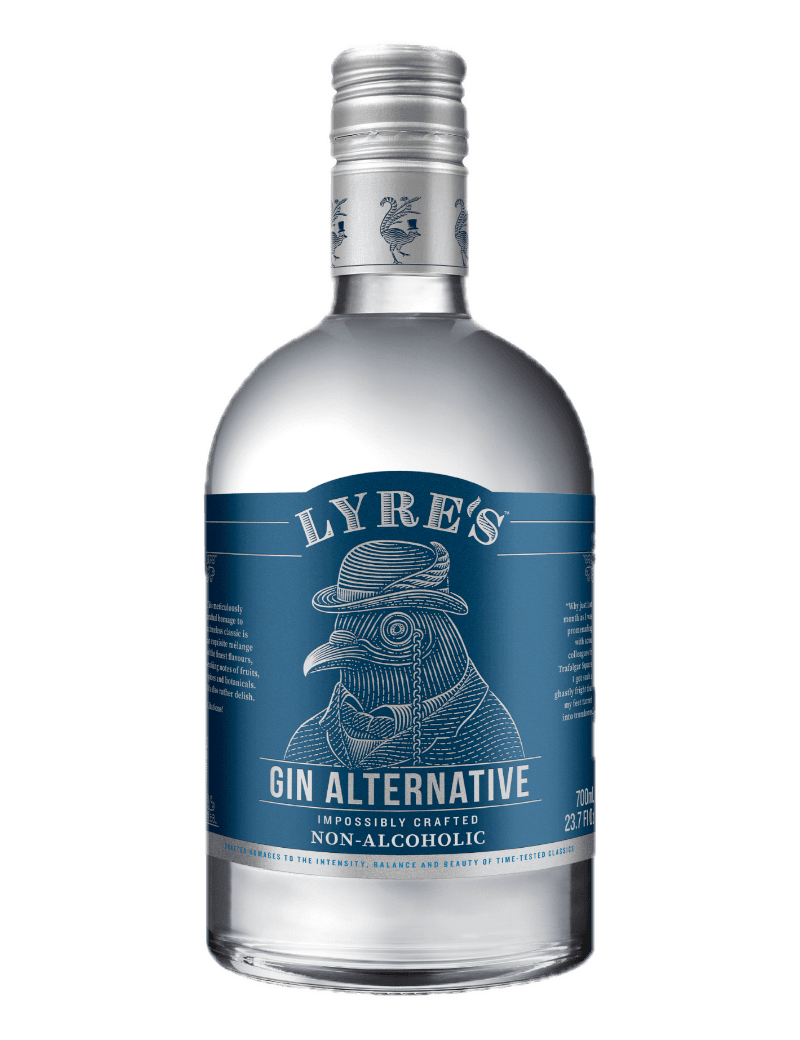
- Lyre's Dry London Spirit is a close second: classic juniper, citrus and coriander.
- Botanical spirits like Seedlip Garden 108 or Pentire Adrift are lovely in a G&T but too green and grassy to anchor a Negroni. Skip them here.
Our non-alcoholic Negroni recipe
This is the version we make at home. It's built for balance: the Lyre's pair gives you the familiar Negroni flavor, and a pinch of salt gives it body.
House recipe · 3 min · Rocks
Zero-Proof Negroni
- 1 ozMonday Zero Alcohol Gin
- 1 ozLyre's Italian Orange
- 1 ozLyre's Aperitif Rosso
- 2 dashesSaline (optional — adds body)
- Stir everything over ice for 20 seconds.
- Strain over one large cube.
- Express an orange peel over the top and drop it in.
Garnish: Orange peel
If that tastes too sweet to you, you're not alone. Swap in the bitter version below: Pathfinder in the Campari slot and Roots in the vermouth slot. It's less familiar, but it's the closest to the bracing, grown-up bitterness of a real Negroni.
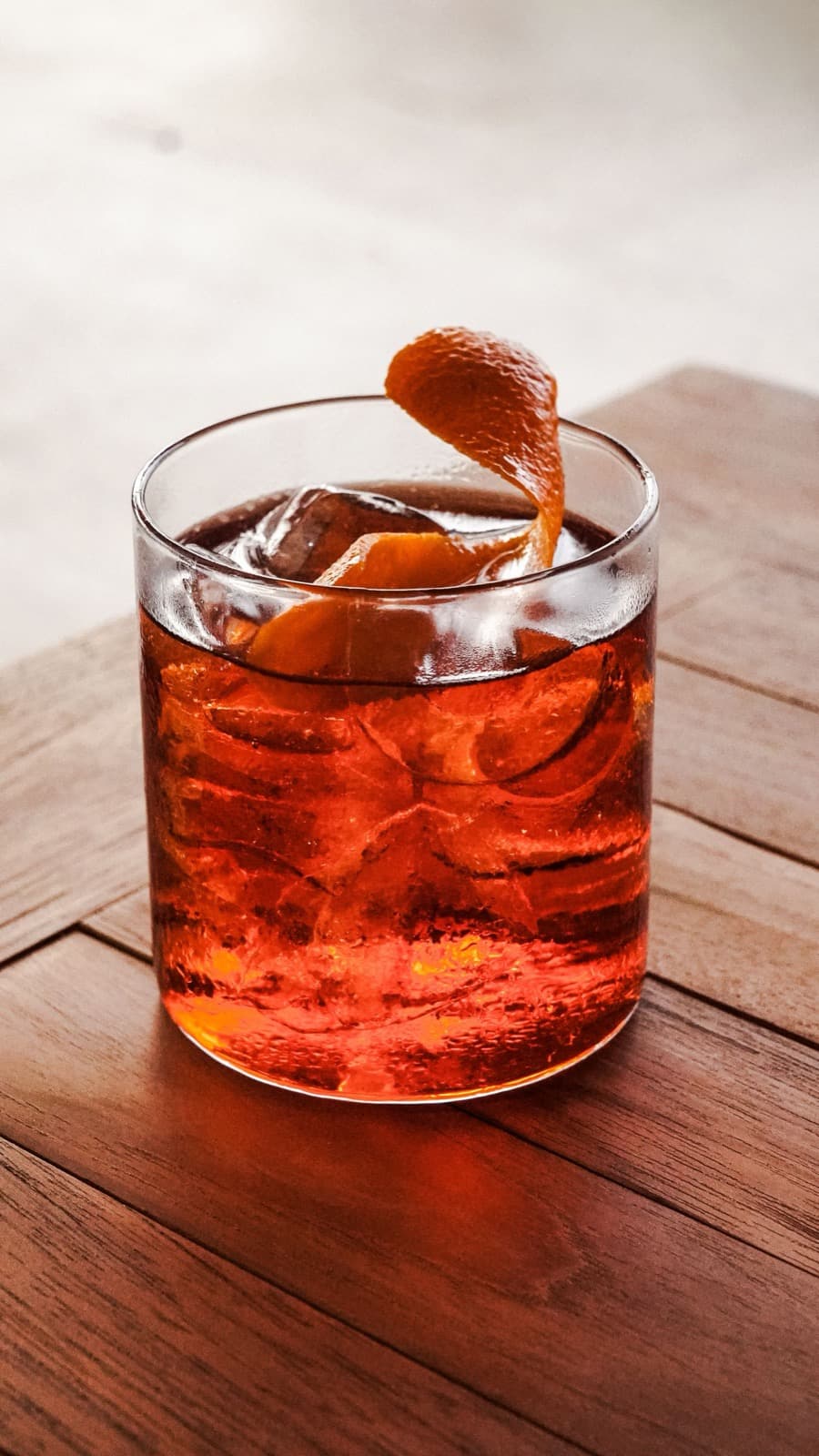
House recipe · 3 min · Rocks
The Bitter One
- Stir over ice until very cold.
- Strain over a large cube.
- Garnish with an orange peel.
Garnish: Orange peel
The best bottles, side by side
Here's how the main Negroni ingredients compare. Ratings are a rough average of reviews from around the web; see each bottle's page for the sources.
| Bottle | Style | Price | Rating | Tastes most of | Buy |
|---|---|---|---|---|---|
| St. Agrestis Phony Negroni | Ready-to-drink Negroni | $20 / 4 × 200 ml | 4.9 | bitter, sweet, herbal | Buy |
| Pathfinder Hemp & Root | Non-alcoholic amaro | $40 / 750 ml | 4.6 | bitter, herbal, spice | Buy |
| Lyre's Italian Orange | Bitter aperitivo | $38 / 700 ml | 4.0 | bitter, citrus, sweet | Buy |
| Martini Vibrante | Bitter aperitivo | $20 / 750 ml | 4.0 | citrus, bitter, sweet | Buy |
| Ghia Le Apéritif | Bitter aperitif | $38 / 500 ml | 4.6 | bitter, herbal, citrus | Buy |
| Wilfred's Bittersweet Aperitif | Bitter orange aperitif | $32 / 500 ml | 4.1 | citrus, bitter, sweet | Buy |
| Roots Divino Divino Rosso | Non-alcoholic vermouth | $39 / 750 ml | 4.1 | spice, bitter, sweet | Buy |
| Lyre's Aperitif Rosso | Sweet vermouth alternative | $36 / 700 ml | 4.5 | sweet, herbal, fruit | Buy |
| Monday Zero Alcohol Gin | Gin alternative | $40 / 750 ml | 3.7 | herbal, citrus, spice | Buy |
| Lyre's Dry London Spirit | Gin alternative | $38 / 700 ml | 3.5 | herbal, citrus, spice | Buy |
Variations worth making
Once you have the three bottles, you have half a dozen classic drinks.
- Sbagliato — the "mistaken" Negroni. Swap the gin for sparkling wine and serve it in a wine glass or coupe. It's lighter, fizzier and a great introduction to bitter drinks. Non-alcoholic sparkling rosé works beautifully.
- Americano — the Negroni's ancestor. Bitter and vermouth topped with soda water in a tall glass. Low-effort and very forgiving of lighter bitters like Martini Vibrante.
- Boulevardier — the Negroni with whiskey in place of gin. A non-alcoholic bourbon alternative makes it richer and rounder; it's the winter version.
- White Negroni — gin, a gentian-based bitter and a dry or bianco vermouth. Harder to make zero-proof, because there are few clear bitters, but a pale aperitif like Martini Floreale gets you close.
Where to order one
More and more bars list a zero-proof Negroni, and dedicated alcohol-free bars usually make an excellent one. A few worth the trip:
Questions
Can you make a Negroni without alcohol?
Yes. Either pour a ready-made non-alcoholic Negroni like St. Agrestis Phony Negroni, or build one from a non-alcoholic bitter aperitivo, a non-alcoholic sweet vermouth and a zero-proof gin. Use a little less vermouth than usual and a pinch of salt to make up for the body that alcohol normally adds.
What is a non-alcoholic substitute for Campari?
Lyre's Italian Orange is the closest match in color and flavor. For a more bitter, amaro-like result, use Pathfinder Hemp & Root. Martini Vibrante is a lighter, easy-to-find option. Bitter sodas like Sanbittèr and Crodino work in lighter drinks such as an Americano.
What is the best non-alcoholic Negroni?
For a ready-made bottle, St. Agrestis Phony Negroni is the best we've tried. It's bitter, balanced and weighty. For a homemade version, Monday gin, Pathfinder Hemp & Root and Roots Divino Rosso make the most convincing Negroni.
What does a Phony Negroni taste like?
Bitter orange and gentian up front, then clove and a little juniper, with a long, dry bitter finish. It's less sweet than most zero-proof Negronis and tastes remarkably close to the real thing, especially over a big ice cube with an orange peel.
Can you make a Negroni without vermouth?
You can, but it won't taste like a Negroni. Vermouth supplies the sweetness and spice that balance the bitter. If you don't have a non-alcoholic vermouth, a small amount of red grape juice with a dash of aromatic bitters is a workable stand-in. Or make the drink with just bitter and gin, served long with soda.
What does a Negroni taste like?
Bitter first, then sweet and spiced, with a dry, herbal finish. The bitterness comes from the aperitivo, the sweetness and spice from vermouth, and the dry botanicals from gin. It's an acquired taste. If you find it too bitter, start with a Sbagliato or an Americano.
Is a non-alcoholic Negroni as bitter as the real thing?
It can be, but most are softer. Alcohol amplifies bitterness, so zero-proof versions often taste sweeter. Choose the most bitter aperitivo you can find (Pathfinder is the strongest we know), use a little less vermouth, and serve it very cold.